Spore Spectacles: The Fantastic World of Oddball Ferns
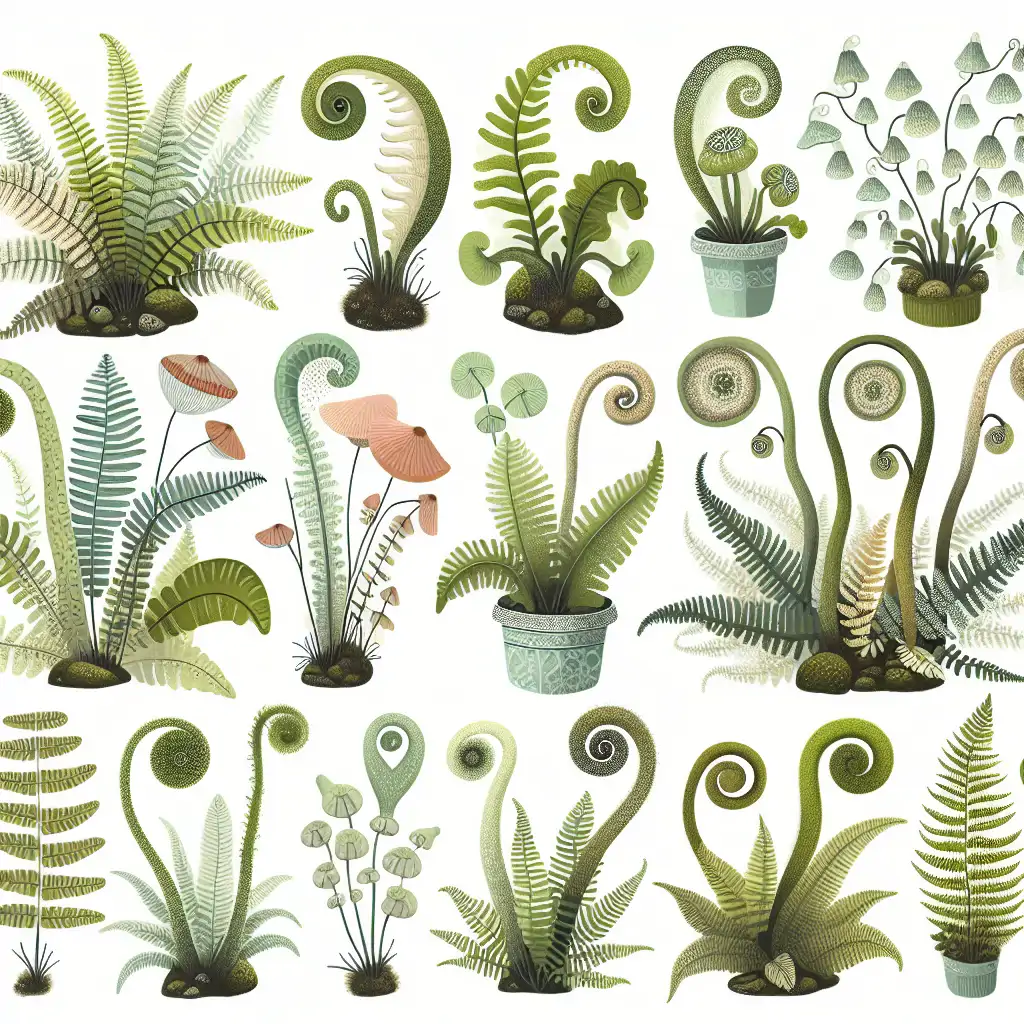
When we think of gardens, vibrant flowers and towering trees often come to mind. But lurking in the shadows and under canopies lies a world of intrigue—a realm dominated by the oft-overlooked fern. However, these aren't your typical ferns. We're diving into the whimsical universe of oddball ferns, where each frond tells a tale of evolutionary wonder and mystical allure! While mainstream plants sing the same old tune, these ferns dance to the beat of their own spores. Whether you're a curious beginner or a seasoned gardener, ready yourself for a spore-tacular escapade as we explore ferns that mimic antlers, float in mid-air, and showcase otherworldly charms. They aren't mere plants, but botanical marvels that defy the ordinary. Ready to expand your garden's horizons? Let’s embark on this green adventure!
Prepare to be enchanted by a collection of ferns that look and grow like they’ve stepped out of a fantasy novel. From the majestic Staghorn fern, which perches regally in the air, to the mystifying Crocodile fern with its leathery, reptilian leaves, these ferns chuck traditional norms right out the window. They require specific habitats and unique care, transforming any garden into a fern-tastic spectacle of nature's creativity. As the horticultural world leans increasingly towards the unique and wonderful, these atypical plants are finding their rightful place in the spotlight, offering everything one could want in a garden: beauty, mystery, and a touch of whimsy.
But what makes these ferns truly fascinating? It’s not just their appearance, but their incredible, sometimes curious, growth patterns and reproduction methods—all driven by spores. The more you learn, the deeper your appreciation grows, unveiling layers of complexity that play a vital role in ecosystems across the globe. So, whether you're planning to cultivate these leafy delights or simply want to revel in their beauty, we promise you'll be entertained and educated. Let's turn the page into the secret life of ferns and discover what makes them the quirky favorites of gardeners worldwide!
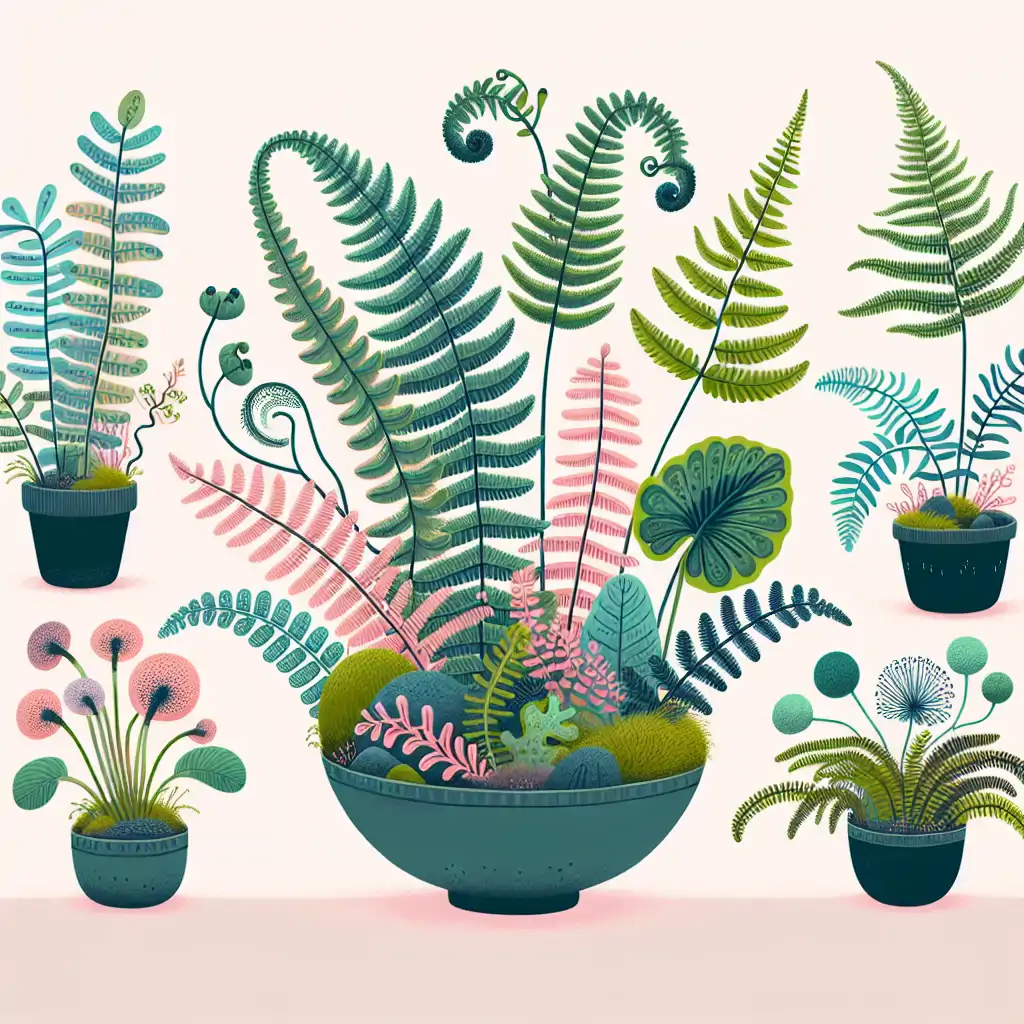
In the diverse world of ferns, the Staghorn fern immediately stands out. This epiphytic wonder prefers living above ground, often seen adorning trees and branches in tropical regions. Rather than growing in soil, they cling onto their hosts, drawing nutrients from the air and the occasional rainfall. Named for their resemblance to the antlers of a stag, these ferns possess a dual-leaf system: the round, shield-like fronds protect the roots, while the antler-like fronds extend outward, growing larger and more intricate. For gardeners, the beauty lies in their gravity-defying nature, turning any vertical space into a living masterpiece.
Then, we have the Bird’s Nest fern, which delights with its simple, yet captivating form. Curling fronds unfold from the center, creating a nest-like appearance—hence the name. Native to tropical forests, this fern thrives in shaded and humid environments, capturing moisture on its broad leaves. It's a favorite among indoor plant enthusiasts for its minimal maintenance requirements and striking aesthetic. Just a touch of creativity turns this fern into a centerpiece, whether perched on a desk or hanging gracefully from a ceiling.
Now onto a fern that's as rugged as its name suggests—the Crocodile fern. This fabulous specimen flaunts deeply veined leaves reminiscent of crocodile skin. Native to parts of Southeast Asia, it thrives in humid, shaded areas, making it perfect for indoor gardens designed to recreate a slice of the tropical rainforest. Its unique texture adds tactile intrigue to any collection, inviting passersby to touch and admire its subtle beauty. Despite its exotic appearance, the Crocodile fern is surprisingly adaptable, finding its place in both outdoor shade gardens and interior spaces.
For those seeking the bizarre, the Rabbit’s Foot fern makes an exciting addition. Its creeping rhizomes look eerily like rabbit feet, and it’s not uncommon to feel as though you have furry companions amidst your plant collection! Originating from Australia and Fiji, these ferns thrive in hanging baskets, allowing their rhizomes to dangle artfully. While they may look delicate, Rabbit’s Foot ferns are hardy, requiring moderate light and humidity—a charmingly quirky choice for both experienced and novice plant enthusiasts.
No conversation about unusual ferns would be complete without discussing the Spikemoss. Although not a true fern, its appearance and care align closely with its ferny cousins, making it a subject of fascination. Featuring tiny, scale-like leaves that spread outward, Spikemoss creates a lush, moss-like appearance perfect for adding a touch of emerald green to any garden. Its preference for moist, shaded environments makes it ideal for terrariums and other enclosed plant spaces, where it can thrive with minimal effort.
Stumbling upon the Maidenhair fern feels like finding a fairy habitat. With its delicate, airy fronds and tiny leaves that look like maiden’s hair, this fern comes alive in shaded, humid spaces. Native to temperate regions worldwide, it remains a popular choice for shaded gardens and indoor environments, where filtered sunlight can enhance its ethereal beauty. While it's not the hardiest of ferns, Maidenhair rewards careful attention with a natural elegance that softens any planting area.
While ferns from the tropics grab attention, the Hart’s Tongue fern offers a more temperate appeal. Its broad, strap-like leaves set it apart from its finely divided counterparts, offering structure and rigidity. It thrives in the moist woodlands of Europe and North America, adapting well to gardens that mimic its natural habitat. Its distinctive form and lush green make it a favorite for those looking to add variety and interest to their shaded landscapes.
Let's dive into the realms of the exotic with the Blue Star fern, a name inspired by its fascinating bluish-green hue. Its leathery fronds and unique shade make it a standout in any collection. Native to the tropical Americas, Blue Star ferns feed off the humidity and offer an unusual twist to traditional fern gardens. Its resilience and adaptability make it a popular choice for interiors, often potted stylishly alongside other leafy companions to create a striking visual display.
The Polypody fern flaunts another distinctive feature—rippled fronds that add texture and depth to garden arrangements. With a widespread presence across the globe, this fern has mastered adaptation, surviving in diverse environments from Europe to tropical forests. Its rugged, resilient nature supports its use as groundcover in shaded garden areas, where it softens and adds interest to the space. For those seeking a reliable garden companion, the Polypody promises to expand the fern frontier in your outdoor sanctuary.
Ever dreamt of a fern that mirrors the elegance of fingers stretching gracefully? Enter the Fishtail fern. Its peculiar bifurcated leaves resemble the finesse of a swimmer’s fins, dancing softly in the breeze. Common in Southeast Asia, Fishtail ferns thrive in humid, shaded conditions, adding an exquisite touch to both indoor and outdoor displays. Their distinct leaf shape and lush growth patterns bring life to drab corners and neglected spaces, making them a must-have for any verdant collection.
What about a fern that dips its toes into artistry? The Japanese Holly fern offers leaves that glisten and showcase an architectural flair. Each leaf is glossy, with spines that mimic those of holly. Native to Japan and some parts of East Asia, this fern prefers low-light conditions and exhibits a natural lustre that adds visual splendor. As a hearty and adaptive plant, it transitions seamlessly between indoor and outdoor settings, cementing its status as a versatile choice for enthusiasts everywhere.
The Asparagus fern, albeit misnomered, earns its spot here due to its whimsical, airy foliage. Not actually a fern but more closely related to lilies, its feathery, light leaves offer a textural pastime for the eyes. Often found cascading from baskets or forming lush mounds, Asparagus ferns lend an intriguing twist to traditional green spaces. Don’t let its delicate appearance fool you; this plant is hardy, withstanding neglect and adapting effortlessly to diverse conditions—a dream for forgetful gardeners everywhere!
Switching gears, the Boston fern—beloved for its classic elegance and cascading fronds—finds its place in various gardens, from the lush to the minimalistic. Native to humid forests, it proves a success story in the domesticated plant realm, easily inhabiting apartments, balconies, and patios. Its abundant presence instils tranquility and verdant charm, making it a perennial favorite. Whether you’re decorating a porch or filling a space indoors, the Boston fern thrives in light and shade, proving versatile and ever-ready to garnish any setting.
Bringing the conversation back home, the Lady fern gracefully introduces itself with feathery, arching fronds that showcase a delicate lace-like pattern. This fern delights nature lovers with its understated elegance and ability to inhabit woodland gardens with ease. Often found in temperate regions, Lady ferns adapt well to moist, shady garden plots, offering a gentle touch to forest-inspired landscapes. As its name suggests, this fern embodies a refined posture, enhancing the overall beauty of any verdant space.
As we uncover more magic, meet the delightful Silver Lace fern, a breath of fresh air with its beautifully variegated foliage. In its name lies its appeal, for each frond is laced with silver markings that glimmer under any light. Such striking aesthetics make it a beloved choice for terrariums and shaded spots, where its unique patterns can truly shine. Though delicate-looking, Silver Lace ferns are hardy, ready to add a touch of elegance wherever they grow.
The Australian Tree fern adds vertical dimension to our list. Growing tall with a palm-like structure, it creates focal points and shade in gardens, where it reigns supreme. Known for its impressive height and lush canopy, this fern captures the imagination and evokes thoughts of verdant, faraway lands. Native to—you guessed it—Australia, it thrives in warm, humid environments and can serve as a grand backdrop for smaller fern companions. For those with space, the Australian Tree fern offers a majestic ally in the quest for a fabulous fern display.
Venturing into the world of hardy survivors, the Cinnamon fern boasts a distinctive feature—reddish, cinnamon-colored fronds that emerge alongside its vibrant green foliage. Found in the wetlands of North America, this fern adapts well to gardens with ample moisture and partial shade. Its dual-color scheme and plush appearance enliven aquatic gardens and bog plots, offering a visual treat for those who appreciate the subtleties locked within wild spaces.
Stepping away from earthy hues, the Japanese Painted fern captivates with its subversive elegance. Sporting silver fronds with purple veins, this fern defies norms with its artwork-like appearance. Originating in East Asia, its delicate beauty is best showcased in shaded gardens with moist soil, where it can quietly shine amid bright blooms. Whether serving as an accent plant or a primary feature, the Japanese Painted fern imparts a unique charm that few others can match, often drawing attention and admiration.
Now, enter the enchanting Royal fern, a paragon of sophistication and height. Its towering presence, adorned with lush green fronds, elevates it to ‘royalty’ status among its peers. Widely found across Europe and Asia, the Royal fern finds purchase in boggy, shaded areas, where it stretches skyward with regal grace. As a garden feature, it exudes elegance, dominating landscapes with its size and sophistication—a must for those seeking a stately addition to their green sanctuaries.
Delighting in its ephemeral nature, the Autumn fern brings an evolving allure to any garden arrangement. As the seasons shift, its fronds transition from green to a fiery bronze, offering a dynamic spectacle that heralds the coming of cooler months. Originating from East Asia, it’s a symbol of transformation, thriving in shady garden spaces and under canopies. Its seasonally shifting hues enrich the garden tapestry, providing variety and life to any shaded garden corner year-round.
Meanwhile, the Hare’s Foot fern intrigues with its furry, foot-like rhizomes that cling to tree branches or dangle from baskets, adding texture and whimsy wherever it grows. Native to the tropical regions of Asia and Australia, it’s best appreciated in humid environments where its delightful rhizomes can be admired up close. Its adaptability to hanging displays makes it an endearing addition to any indoor plant collection, where its novel features can be enjoyed at leisure.
Taking a softer approach, the Lemon Button fern charms with its delicate, golden-hued fronds that emit a faint citrus aroma. Originating from the Southern Hemisphere’s rainforests, this diminutive fern delights with its whimsical presence in terrariums and small planters scattered across cozy living spaces. Despite its small stature, it brings warmth to interiors with its subtle, lemon-infused fragrance that uplifts and freshens the air. Ideal for compact spaces, the Lemon Button fern embodies charm in every frond.
With the Moose Horn fern, we return to the realm of epiphytic wonders where nature’s creativity knows no bounds. This fern displays fronds that fork like moose antlers, blurring lines between botany and zoology. A relative of the Staghorn, it's prized for its unusual leaf shapes and the ability to imbue spaces with artistic flair. Embracing its vertical tendencies, plant enthusiasts can suspend Moose Horn ferns in netted containers or attach them to moss poles, watching as they transform trifling spaces into lush, imaginative hideaways.
Meet the Rattlesnake fern, whose wavy fronds mimic the serpentine dance of its namesake. Its narrow leaves and undulating patterns make it a popular choice for adding curiosity to mixed plantings. Found throughout the Americas, this fern graciously adapts to various habitats while retaining its signature snakelike appearance. For gardeners seeking the extraordinary, it’s a conversation starter, offering not only vibrant greenery but a narrative that enchants and delights those open to its unique appeal.
Our fern journey continues with the Creeping Fern, a master of stealth and surprise. Its low, sprawling growth creates verdant carpets across shaded garden floors, often transforming mundane paths into lush avenues. Often native to warm, humid climates, Creeping Ferns thrive where conditions are optimal and obstacles minimal. Their adaptive nature allows them to integrate seamlessly with both terrestrial and epiphytic landscapes, ensuring they remain a gardener's favorite for transforming routes into enchanting woodland trails.
In contrast, the Hairy Holly fern combines texture and tenacity, offering a fusion of beauty and resilience in equal measure. Its dense, hairy fronds evoke curiosity, compelling onlookers to explore its tactile charms. Found largely in Asian regions, this fern withstands less-than-perfect conditions, earning its place in gardens prone to fluctuating elements. As it matures, Hairy Holly ferns reveal increasingly intricate leaf patterns, inviting admiration from those seeking a deeper connection with the natural world.
As we approach the end of our exploration, the Climbing Fern stakes its claim as a botanical triumphant. Embracing vertical growth, this fern scales trellises and structures, entwining itself in architectural wonder. It adapts well to garden spaces requiring dynamic growth, transforming lifeless areas into intricately layered backdrops. Thriving in warm and humid environments, the Climbing Fern tests the limits of gardeners, offering upward expansion and creativity for those willing to reach into its verdant tendrils.
Finally, we have the Hemionitis palmata, or Heart Fern, which invites affection with its heart-shaped fronds that embody love for nature in all its forms. Residing in tropical rainforests, it flourishes under specific conditions of warmth and humidity, making it a delicate yet rewarding garden feature. It offers a gentle reminder of nature’s enduring ability to inspire love and appreciation. Its elegance and simplicity make it not merely a plant, but a daily testament to the beauty that comes from embracing all aspects of the living world.
As we've journeyed through the fantastical world of oddball ferns, it's clear these leafy wonders defy traditional plant norms. From the mystical Staghorn to the charming Heart Fern, each offers a unique glimpse into nature’s ingenuity. Whether suspended in air, crawling through earth, or majestically towering above, these ferns have thrived through ages and climates, enchanting gardeners with their endless variety and resilience. For those ready to embrace the unconventional, these ferns promise to add whimsy and wonder to every garden.
Incorporating these unusual ferns into your secret garden means embracing both challenge and creativity. They’ll require a touch more attention and care but will reward you with unparalleled beauty and intrigue. As you cultivate their presence, you'll find yourself drawn into a remarkable narrative that broadens your understanding of botanical diversity while offering daily enjoyment. The journey to grow and nurture these magnificent plants will enhance not just your gardening skills, but your appreciation for nature's eccentric offerings.
Let these spore spectacles be a reminder that there's more to gardens than meets the eye. Each fern tells a story of adaptation and elegance, of survival and splendor. So whether you’re a seasoned gardener craving novelty or a curious beginner yearning to explore, let these ferns guide your imagination and hands towards new adventures. Dive into this complex green tapestry, and prepare to be frondly impressed by the art of nature in its most enchanting forms.
Thanks for taking the time to read my article! You may also find this one interesting.
Pollinator Pals: The Secret Life of Bat FlowersTil next time! Katie

Katie
Katie is a wildlife guru by day and a passionate part-time blog writer. With her deep expertise in nature and a gift for vivid storytelling, she crafts compelling articles that bring the wonders of the wild to life, captivating readers with her knowledge and love for the natural world.
A proud member of the B-Team
If you're curious to dive deeper into related topics, then you may find these external links useful.
1. American Fern Society
An organization dedicated to the study and appreciation of ferns, providing resources and information about various fern species, including the unusual and exotic varieties discussed.
https://www.amerfernsoc.org/2. Royal Botanic Gardens, Kew - Fern Collection
Explore Kew's renowned fern collection, showcasing a variety of unique and rare ferns. This site provides scientific insights and care tips for exotic ferns mentioned in the content.
https://www.kew.org/kew-gardens/plants/fern-collection3. The Fern Stand
A specialized nursery offering rare and exotic ferns for enthusiasts interested in expanding their garden's diversity with the types of ferns described.
https://ebps.org.uk/ferns/growing/where-to-see-ferns/4. The Plant List - Fern Database
A comprehensive database detailing various fern species, ideal for those seeking to identify and learn more about the different ferns mentioned, including their classification and global distribution.
https://wfoplantlist.org/5. Garden Design Magazine - Unusual Ferns
An article focusing on unique and rare ferns that can transform gardens, featuring care tips and design ideas for incorporating these botanical wonders into home landscapes.
https://www.gardendesign.com/plants/ferns.html©2023 - 2026 SP Software Solutions Ltd. All rights reserved.