Pollinator Pals: The Secret Life of Bat Flowers
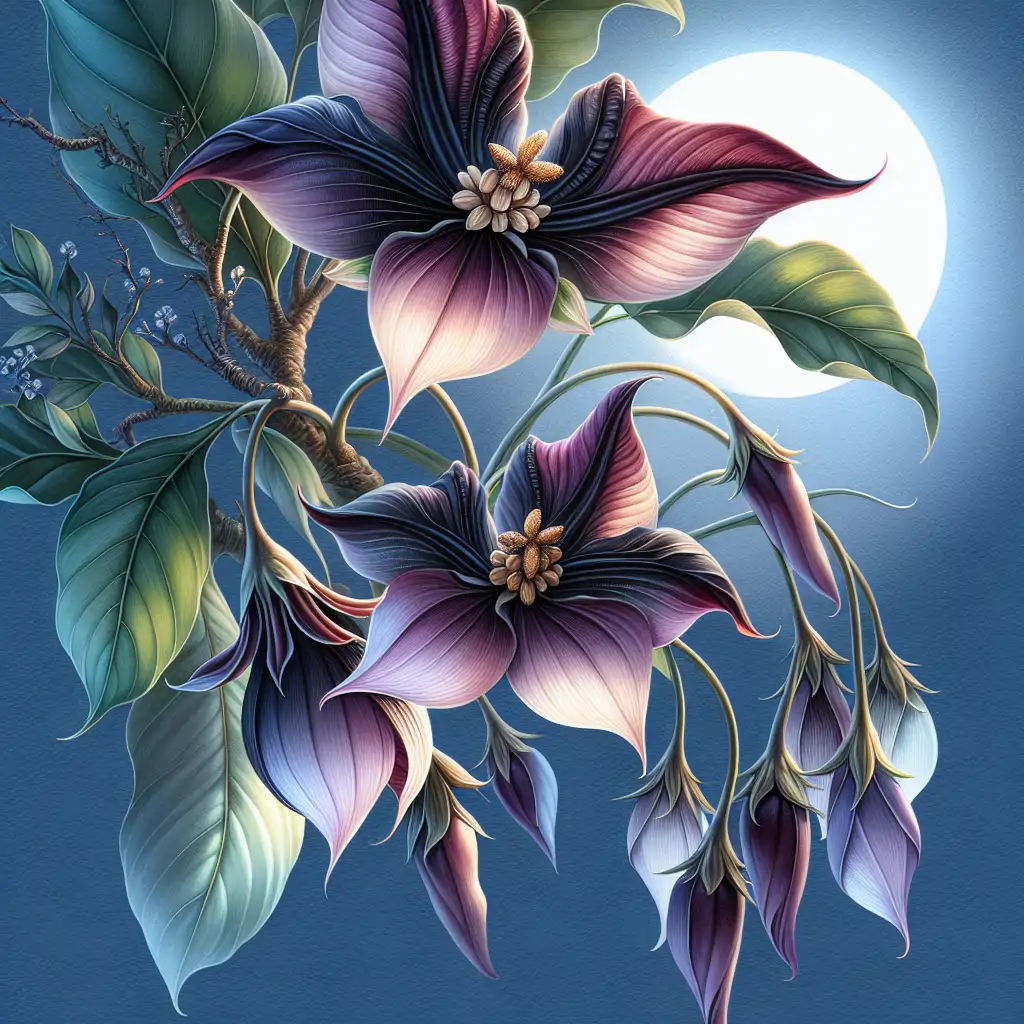
Have you ever strolled through your garden at night and felt a pair of eyes watching you from the shadows? While it might sound like the start of a horror movie, the reality is far more enchanting. Welcome to the secret life of bat flowers, where blooms come alive as soon as the sun dips below the horizon. These marvelous plants, true to their name, have a unique connection with bats and thrive in the mysterious world of the dark. But what exactly are bat flowers? Officially known as Tacca chantieri, these captivating plants sport dark, gothic petals that dance like bat wings in the night. Their eerie shape and sultry colors have evolved over millennia to appeal to their ultimate nighttime allies, the bats. By the time you finish this whimsical dive into their secret life, you may find yourself yearning to adopt these peculiar blooms into your own garden sanctuary. A place where the oddities of nature are not only welcomed but celebrated.
What makes bat flowers so extraordinary is their enchanting relationship with their nocturnal pals. These flowers have evolved to embrace the darkness as their petals spread wide, creating a mesmerizing display. The colors are not just beautiful; they're strategic. Their dark, rich hues, ranging from deep purples to blacks, act as nighttime lures for bats, while their scent, released mostly at night, acts as an irresistible invitation. Imagine, if you will, hosting a moonlit dinner party each night, where bats are the honored guests arriving to feast on the nectar dessert. But in this gift exchange, bats also perform an essential role as key pollinators. This partnership is not only essential for the survival of these quirky blooms but creates a dynamic that keeps the ecosystem pulsating through the midnight hours. Prepare to be amused and amazed as we unravel more about these extraordinary pollinator pals.
Now, you might be wondering why one would want to cultivate these night-loving beauties in their garden. Beyond their unique allure, bat flowers offer a dash of mystery and a touch of the unusual that can transform any garden space into a haven for curious minds and adventurous souls. Picture your garden as a living, breathing art exhibit that narrates tales of nocturnal wonders and connecting life forms. Plus, fostering these relationships in your garden means contributing positively to the planet's biodiversity, a crucial element in preserving our natural world. So whether you're an ardent gardener eager to expand your collection or simply someone fascinated by nature's oddities, exploring the secret life of bat flowers might just lead you down a path of discovery that you'll be eager to tread. So grab your gardening gloves, leave your conventional ideas behind, and let's embark on this nocturnal adventure together!
Under the cloak of night, when the world slowly drifts into dreams, the bat flower awakens, opening its darkly beautiful petals to the stars above. But what makes these flowers truly fascinating is their nocturnal lifestyle and their reliance on bats. This peculiar choice of pollinator might seem odd, yet it’s one of nature's masterstrokes. Bats have a critical role in this nightly ballet, providing pollination services that keep these flowers blooming year after year. This partnership is a splendid display of evolutionary prowess, with the flowers adapting in shape, color, and scent to appeal to their flying friends. The deep, velvety colors of the bat flower range from striking purples to intense blacks, serving as exquisite invitations that stand out in the moonlit night. Like tiny beacons, they guide bats to the succulent nectar hidden within.
The mystical dance of the bat flower doesn't end with color. Their intoxicating scent plays a crucial role in attracting their esteemed visitors. Many bat-pollinated flowers have evolved fragrant escapades that are released in the evening when bats are most active. The scent is often sweet and musky, a combination that is particularly appealing to bats’ olfactory senses. Imagine wearing your most delectable perfume to a midnight gala – that's the invitation these flowers extend. Once the bats arrive enticed by the aroma, they are treated to a feast of nectar. In return, the bats' fur brushes against the flower's pollen-laden anthers, ensuring the next stop on their flight path will carry the genetic treasure trove needed to pollinate other flowers. This mutualistic relationship flourishes in warm climates where both bats and these exotic flowers thrive.
As we delve deeper, the ingenious evolution of the bat flower deserves admiration. Consider the intricacies of its design; long petal tendrils extend like the tails of comets, casting elegant shadows under the silvery moon. These tail-like structures aren't just there for visual appeal. Their length and shape help guide bats towards the nectar chambers. A perfect example of form meeting function in the natural world. Moreover, these flowers are not solo in this nocturnal theatre. They share their stage with a plethora of other bat-pollinated plants, including the likes of bananas and agaves. This interconnectedness among plant species, relying on bats, creates a network of life that operates when the rest of the world is at rest. It's a nocturnal society where every organism plays a part, spinning stories of survival and adaptation.
The adaptability of bat flowers is a striking testament to nature’s imaginative prowess. These blooms often favor locations that are rich in biodiversity and thrive in moist, humid conditions. Native to the tropical regions of Southeast Asia, bat flowers are well adapted to their environment, with broad leaves that capture the dappled sunlight seeping through dense forest canopies. For gardeners eager to include such a plant in their backyard ensemble, replicating these conditions is a delightful challenge. With dark, shaded spots inside or under big trees, the right humidity levels, and well-draining soil, you can create a mini ecosystem that mimics their natural habitat. Offering a mix of mystery and charm, bat flowers will undoubtedly command attention, adding exotic beauty to your garden landscape.
Understanding bats as pollinators adds another fascinating layer to our exploration. Bats play an essential ecological role, especially in tropical and desert ecosystems. By pollinating at night, they complement the work done by our daytime pollinators such as bees and butterflies. Bats depend on the calyx of bat flowers, which often harbors significant amounts of nectar – a delightful midnight snack that provides them with much-needed energy. This relationship encourages genetic diversity among plant species, supporting the ecological balance crucial for sustaining life on Earth. The bats' journey from flower to flower is more than just a nightly feast – it signifies a process that maintains biodiversity, making them unsung heroes of the nocturnal world.
Let us peek into the world of how you, the reader, can invite these nocturnal wonders into your own garden. Cultivating bat flowers offers an elegant fusion of horticulture and ecology, inviting the mysteries of night to your doorstep. The sophisticated charm of these flowers transforms any garden into a scene from a moonlit fairytale, captivating both plants and humans alike. Start by choosing the right spot, ideally shaded, where they can grow away from the harshness of the sun. Remember, bat flowers are delicate and require warmth and humidity to flourish. Using mulch can help maintain the right moisture levels. Additionally, bat flowers love soil that's slightly acidic and rich in organic matter. With patience and care, you can nurture these gothic blooms, delighting in their nightly adventures.
The pictorial allure of bat flowers truly stands out in any garden, with long, elegant leaves that resemble outreached arms. When in bloom, they become one of those rare spectacles that prompt curious eyes and questioning minds. Bat flowers aren't shy about stealing the spotlight, their uniqueness drawing interest from garden visitors and wanderers alike. Imagine having this conversation starter at your next garden gathering: a flower with ties to the enigmatic world of bats, bridging stories of nighttime pollination and evolutionary wonder. Sharing this knowledge can create an experience that turns simple garden visits into profound narratives rich with ecological insights. It’s these experiences that make gardening much more than a hobby but a lifelong journey of discovery.
For those of you pondering the kinds of bats you might encounter with these blooms, it's important to note that not all bats associate with flowers. Rather, the role of floral pollinator is left to the specifically nectar-feeding varieties. These can include small fruit bats or specialized species known as ‘flower-feeding bats’ who have adapted over time to this ecological niche. Their maneuverability in flight and acute senses allow them to feast on nectar and move deftly from bloom to bloom, performing the vital pollination rituals. Understanding the diverse nature of bats in your region may guide you in selecting the right spots to nurture these relationships and offer insights into assembling the ideal garden. It's a creative process that brings you closer to the wonders unraveled under the soft glow of moonlight.
While cultivating your night garden might seem daunting, the rewards it offers are plenty. Bat flowers with their uniqueness and allure offer you the opportunity to create a haven that supports wildlife at night. By offering a sanctuary to both bats and flowers, you actively participate in the conservation narrative. Given the pressures on natural habitats, such initiatives in our own backyards have momentous implications. Through them, we help sustain pollinator populations, ensuring the perpetuation of these exquisite flowers and their bats’ melodious dance through the starlit skies. So, when dusk falls and the thought of nocturnal gardening seems like an enchanting secret world, know that your garden blooms continue to tell tales of resilience, adaptability, and beauty — a harmonious union of art and ecology.
Bat flowers symbolize more than just aesthetic beauty; they're a testament to the intricate interplay of nature's creations. Evolution has intertwined their fates with bats, creating an alliance that draws admiration from plant enthusiasts and ecologists alike. As you bring these marvels into your garden, you'll find yourself growing more aware of, and connected to, this profound relationship. It’s a way of engaging with your environment, appreciating not only the ethereal blooms but the dynamic interactions at play each night. Your garden, thus transformed, becomes a series of scenes painted by nature's own hand. Every night, it tells a new story, inviting you to witness and partake in the timeless dance of bat flowers and their captivating partners.
The behavioral adaptations of bats are as fascinating as those found in bat flowers. These flying mammals are adept navigators of the night, using a system similar to sonar called echolocation to move through darkness with precision. This nocturnal savviness makes them perfectly suited for the nighttime task of flower pollination. They can detect the subtle changes in flower openings, quickly evaluate the scent trail, and sip nectar, all while flitting seamlessly from one blossom to another. This mechanism of echolocation is guided by the high-frequency sound waves they emit, which bounce back as echoes, offering them a vivid ‘picture' of their environment. This sensory adaptation makes them not only expert flyers but pivotal agents in the survival and evolution of bat-pollinated plants.
Expanding our understanding of these elegant night blooms, we find that their unique reproductive strategies include more than just relying on sight and smell. The structural features of bat flowers are inherently suited for bat interaction. The shape of the flower itself is typically open and accessible, allowing bats to easily reach the nectar chambers. This accessibility also applies to the flower's positioning on the plant, usually protruding from stems or branches, making it easier for bats to hover or perch while feasting. Some species even have features that guide the bat’s mouth to specific areas to ensure effective pollen transfer. Such interactions evolved over time prove that both flowers and their pollinators are deeply attuned to one another’s needs.
Imagining a night in a world filled with these beautiful blooms is akin to stepping into a fairyland. With each bat flower you nurture, you're not just growing a plant but nurturing a part of this nocturnal ecosystem. As your garden begins its transformation into a night dwelling, observe the changes that come over it. You might hear the fluttering of wings among the trees or catch sight of the shadowy figures of bats spiraling in the skies. These are signs that your endeavor is succeeding; that your garden is becoming a thriving node in the network of nighttime life. It’s a metamorphosis you'll witness with a sense of wonderment and accomplishment, knowing your garden plays its part in the grander scheme of things.
The effort to cultivate a bat-friendly garden might initially involve trial and error, but it brings forth a profound connection with your environment. Understanding that you're fostering a delicate part of nature and seeing it flourish encourages a deeper appreciation for the planet's ecosystems. Combating the current decline in pollinator populations, including bats, is an action that contributes to global conservation efforts. In creating these small sanctuaries, you are engaging with pressing ecological issues, providing much needed habitat for species that are crucial yet often overlooked. Each bat flower you plant contributes positively to this cycle, acting as a beacon of hope and an emblem of biodiversity within your green space.
Imagine the joy of inviting your friends and family to your enchanting night garden, regaling them with stories of bat flowers and their secretive companions. Sharing this haven becomes a source of fascination, sparking curiosity and admiration for nature’s nocturnal creations. As they walk along moonlit paths, delighting in the blooms at their mesmerizing best, your garden not only becomes a source of personal joy but a place of education and appreciation for all who visit. The understated beauty of bat flowers instills a sense of calm and wonder, bridging connections with the natural world that are both enlightening and enduring.
Set your imagination free and envision your garden as both a habitat for delightful mysteries and a canvas for storytelling. Bat flowers, with their nocturnal charm, provide a narrative unto themselves. Each bloom holds secrets of evolution, adaptation, and an eternally bonded relationship with their key pollinators – the bats. By becoming stewards of these blooms, we partake in sharing these stories with others, fostering an understanding of nature interwoven with humor, curiosity, and reverence. Your garden becomes more than a collection of plants; it transforms into a living narrative that connects past to present, crafting shared histories and sealing itself as a beloved haven against the backdrop of celestial night.
In looking at the broader impact of cultivating bat flowers, you are playing a direct role in safeguarding our planet's rich tapestry of life. Pollinator-friendly gardens are essential steps on the path to ecological balance, allowing us to contribute positively to maintaining Earth's biodiversity. Every effort made toward preserving these delicate cycles ensures that future generations will inherit a world as diverse and awe-inspiring as the one we experience today. Step by step, bat flower by bat flower, progress is being nurtured and grown, one garden at a time. The beautiful dance of nature that these flowers partake in is an invitation for humanity to act as empathetic custodians of the world around us.
Beginning to grow bat flowers doesn't just expand your gardening expertise but initiates a journey of endless fascination. From the initial planting stages to the eventual moment when the blooms unfurl, welcoming bats into your garden kingdom, this endeavor involves both dedication and exploration. The joys of cultivating these night-loving plants spring from the process itself. Whether it’s the anticipation of seeing that first bloom or the rewarding sight of bats finding refuge among your diverse flora, every aspect of this journey echoes the paradoxes of patience and excitement inherent in the art of gardening. You're not only adding another plant to your garden; you're cultivating a story of life and connection.
There's a certain magic that accompanies tending to bat flowers, as they invite you to step into a realm where plants and animals perform age-old dances under the stars. Each interaction between a bat and flower in your garden builds a bridge to the universe, a small-scale demonstration of connectivity that extends beyond terrestrial confines. It's an understanding that transcends mere gardening – you're nurturing harmony, playing host to the night, and investing in an ongoing partnership of mutual benefit. The idyllic presence of bat flowers offers insight into the wonders of the natural world, reminding us of the beauty and intricacy of the life surrounding us, and the part we play as its companions.
The story of the bat flower doesn’t end with their blooms; their legacy continues in the seeds they help propagate. With each successful pollination by bats, a new generation of flowers unfolds their silken petals, showcasing evolution's dance. This ensures that bat flowers' mesmerizing beauty remains an everlasting feature in the botanic world. When we choose to cultivate these flowers, we participate in a cycle that champions resilience and success in the face of adversity. Our gardens, transformed into magnets for nighttime revelry, become canvases where nature's persistent ingenuity is forever displayed, underpinning the immortal relationship between plant and pollinator.
In embracing the wonders of bat flowers, we broaden our awareness of global environmental initiatives. Bats, as essential pollinators, face threats from habitat destruction and climate change. Understanding their role in bat flower pollination invites us to become advocates for their preservation, and in doing so, the preservation of many plant species. Supporting bat populations through education, conservation efforts, or simple awareness contributes to the broader narrative of protecting our planet's ecological integrity. Thus, every bat flower cultivated is not only a nod to gardening’s creative aspect but a commitment to layered, conscious stewardship of the Earth. It is a celebration of the treasurable connections woven into the fabric of life.
Imagine the serene satisfaction in contributing your garden to a worldwide quest for environmental harmony. Each bat flower serves as a beacon within this mission, drawing together ecological advocates from all walks of life passionate about ensuring future generations revel in the same bounteous beauty. It is our gardens that discover the secrets interstellar beings hold, unraveling connections to the greater whole within which we exist. This bridge facilitates access to realms where art meets science, where myth and reality suggest a kinship based on shared understanding and respect. Embracing this journey allows us to nurture both our souls and the natural world, fostering a commitment to sustainable stewardship.
Envision your nights spent wandering through mesmerizing botanicals, understanding that each step taken upholds reverence for the Earth. Our relationship with these extraordinary flowers transcends human understanding, offering glimpses of phenomena that resonate beyond the senses. These passages into the realms of night and bloom insinuate a language whispered through life, reminding us of the vigors occurring beneath night’s veil. By growing bat flowers, you shall become an actor within this beauty, instilling them a sense of wonder that dilutes doubt, fueling the intention to protect, preserve, and partner with this exceptional shade of the natural narrative.
The lore surrounding bat flowers bridges spheres of imagination and reality, a delicate intertwining resonant as sunlight touching earth, as stars waltzing 'cross nebulous skies. Our gardens, and the stories entwined within, become our handwritten verse celebrating this intricate dance – the movement of blooms furling and unfurling under moonlit guidance. Here, bat and blossom interlace lifeways ancient and fervent, inviting us into their world as both witness and participant. Embracing the joys of tending such a garden, where nocturnal blooms bid invitation and elation sprinkles swift-turned shadows, leads minds towards a repose and connection with nature itself.
The enigmatic world of bat flowers is waiting to be explored, filled with enthralling stories of biology, relationships, and adaptation. By understanding these wondrous blooms, gardeners, naturalists and enthusiasts alike open doors into realms that resonate with humor, curiosity, and inspiration. It is where mythological tales and scientific exploration find common ground, creating a beautiful tapestry woven from nature's imagination. With every night bloom that emerges, every whispering wingbeat that graces the velvety petals, the world slightly shifts, reminding us of the awesome capability nature holds to delight and inspire those willing to partake in her nocturnal symphonies.
Stepping into the world of bat flowers opens a window into the interwoven layers of ecosystems that thrive when the rest are sleeping. These shadowy realms provide mesmerizing landscapes for those who dare to venture into the world of nocturnal wonders. Through understanding this unique botanical relationship, we gain insight into nature’s complexity, the mysterious allure present in flower and pollinator. Unfolding their tale empowers our endeavors in nurturing biodiversity and coexistence among species. Our shared garden stories bind individuals across cultures and generations, turning ordinary plots into narratives sewn by seeds, steeped in imagination, storytelling, and the arts of living.
So, let's embrace the creation of gardens where bats bring life, breathing energy into the lush haven their night companions inhabit. Let each bloom be a gesture towards the eternal dance, playing its melody among nature’s verses. With dark petals unfurling, crafting an ethereal embrace of beauty and respite that is as enduring as it is ethereal, the bat flower emerges as a symbol of hope, connection, perseverance, and transformation – a timeless beacon glowing softly against the night. It invites us to join not merely in an act of cultivation but a cherished moment of kinship with every living soul that shares this enchanted stage.
Finally, embarking on your bat flower garden journey serves as a call to those who appreciate harmony resting ‘neath moonlight’s soft caress. Your garden becomes a bridge between all things connected within Earth's web — a space where laughter is softly echoed in whispers of wonderment shared amongst blooms and beings. The endeavor sparks innovation, persistence, and discovery, linking avid gardeners, naturally curious spirits, and whimsical dreamers alike in tales spun from bloom's mysteries, captured spirit, and timeless splendor. Let us wander together through the glades, nurturing beauty eternal, under stars that bear witness to the ageless ballet born anew each dusky turn.
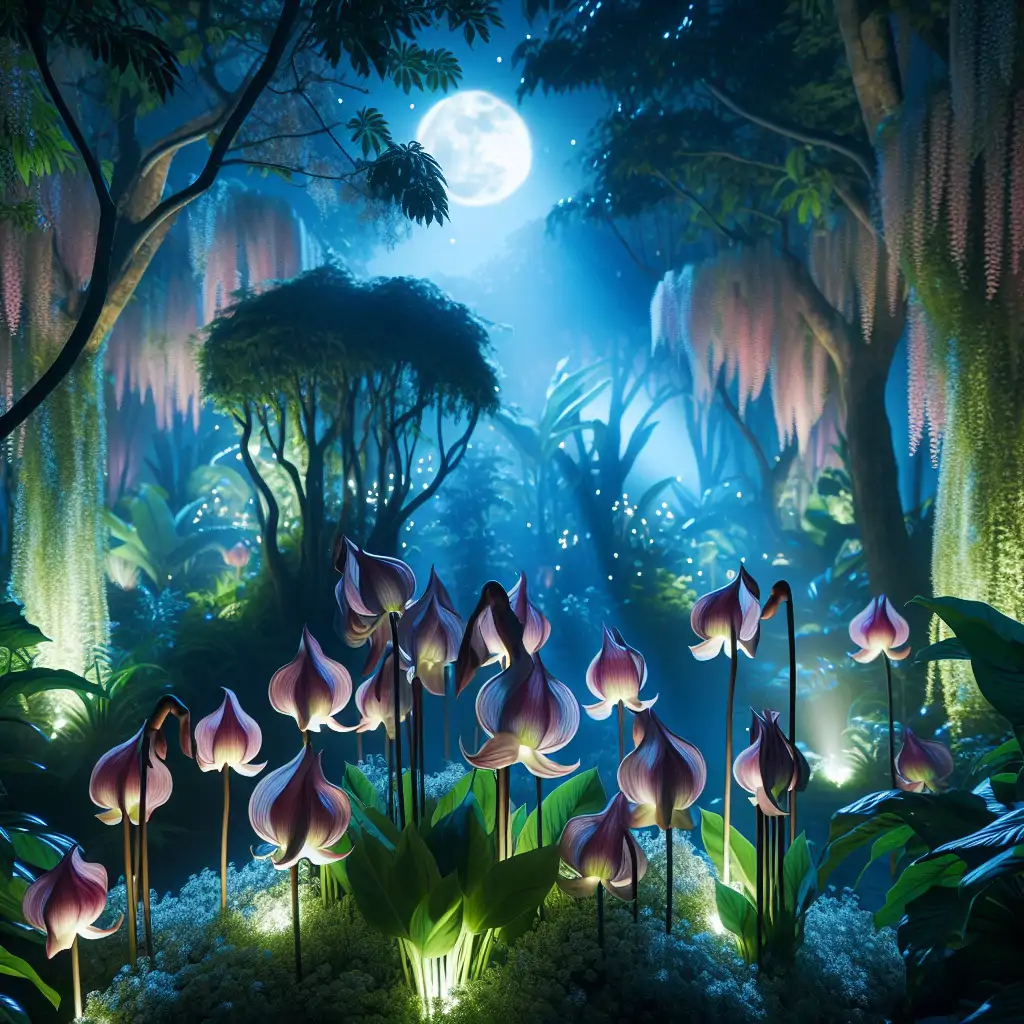
Embarking on the journey to understand and cultivate bat flowers opens a gateway to an enchanting realm where night and nature embrace. It is here, under the tapestry of stars, that these spectral blooms unfurl their sanctuary, revealing an intricate dance carried out by bats and blooms alike. This story of coupling natural reverence with the whimsical invites gardeners of all stripes to become custodians of the night garden. By nurturing these extraordinary plants, each flower becomes part of a larger echo, a resonant reminder of nature’s intricacy and unintelligent symphony. With bat flowers gracing your garden, the night whispers stories of ecosystems interwoven, celebrating the exquisite partnerships that evolve under the cloak of darkness. With open hearts and curious souls, let your garden come alive with tales etched in moonlight.
Enriching your garden with bat flowers doesn’t merely spotlight aesthetic allure; it embarks on a vital environmental voyage. Each flower planted serves a dual purpose, not only brightening your botanical canvas but also contributing to the preservation of crucial nocturnal pollinators like bats. What begins as a personal horticultural adventure soon unfolds into a proactive movement towards biodiversity, calling forth sustainable practices and heightened awareness of ecological balance. As your garden serves as a cherished haven, it links a tapestry of stories that unite the wonders of flora, pollinator, and caretaker. Together, they craft narratives born of admiration for life empowered by the artful synergy between the visible and the unseen, whispers of nature beckoning to be shared in poetic resonance.
To nurture a garden of bat flowers is to celebrate nature’s ingenuity, an opportunity to delve into the marvels of evolution's nocturnal creations. May your hands be the artist’s, shaping with care the landscape where these blossoms can thrive. With patience and determination, your garden may soon transform into a sanctuary where every flower holds a story, each petal a passage connecting hearts to ecosystems delicate and enduring. Let this venture imbue your life with wonderment and understanding, guided by the night's glow, where blooms and bats dance perpetually within this sacred dialogue of flourishing harmony. Embrace this journey, fostering a place where magic and science intertwine, nurturing the extraordinary under the celestial panorama.
Thanks for taking the time to read my article! You may also find this one interesting.
Carnivorous Conundrums: The Quirky Cuisine of Insect-Eating PlantsTil next time! Prijanka

Prijanka
Prijanka is a wellness coach and inspired blog writer. Drawing from her expertise in holistic health and her talent for motivating others, she writes insightful articles that empower readers to live healthier, more balanced lives, blending practical advice with a genuine passion for well-being.
A proud member of the B-Team
If you're curious to dive deeper into related topics, then you may find these external links useful.
1. Botanical Society on Bat Flowers
An in-depth exploration of the unique features and biological significance of Tacca chantieri, commonly known as bat flowers, and their role in ecosystems.
https://www.thespruce.com/bat-flower-plant-profile-48421372. Gardening Tips for Bat Flowers
A comprehensive guide on how to cultivate bat flowers in various climates, providing essential tips for soil, humidity, and light conditions.
https://www.bats.org.uk/advice/gardening-for-bats3. Bats and Their Ecological Role
An article detailing the ecological importance of bats, particularly as pollinators, and how their interactions with flowers like the bat flower contribute to biodiversity.
https://onlinelibrary.wiley.com/doi/10.1155/2013/1874154. Nocturnal Pollination Explained
A scientific overview of nocturnal pollination processes, focusing on the relationship between night-blooming plants and their bat pollinators.
https://www.ncbi.nlm.nih.gov/pmc/articles/PMC7326339/5. Conservation Efforts for Bats and Bat-Pollinated Plants
Information about ongoing conservation initiatives aimed at preserving bat habitats and promoting the growth of bat-pollinated plants like bat flowers.
https://www.bats.org.uk/about-bats/why-bats-matter/bats-as-pollinators©2023 - 2026 SP Software Solutions Ltd. All rights reserved.