Leafy Legends: The Mysterious World of Monstrous Foliage
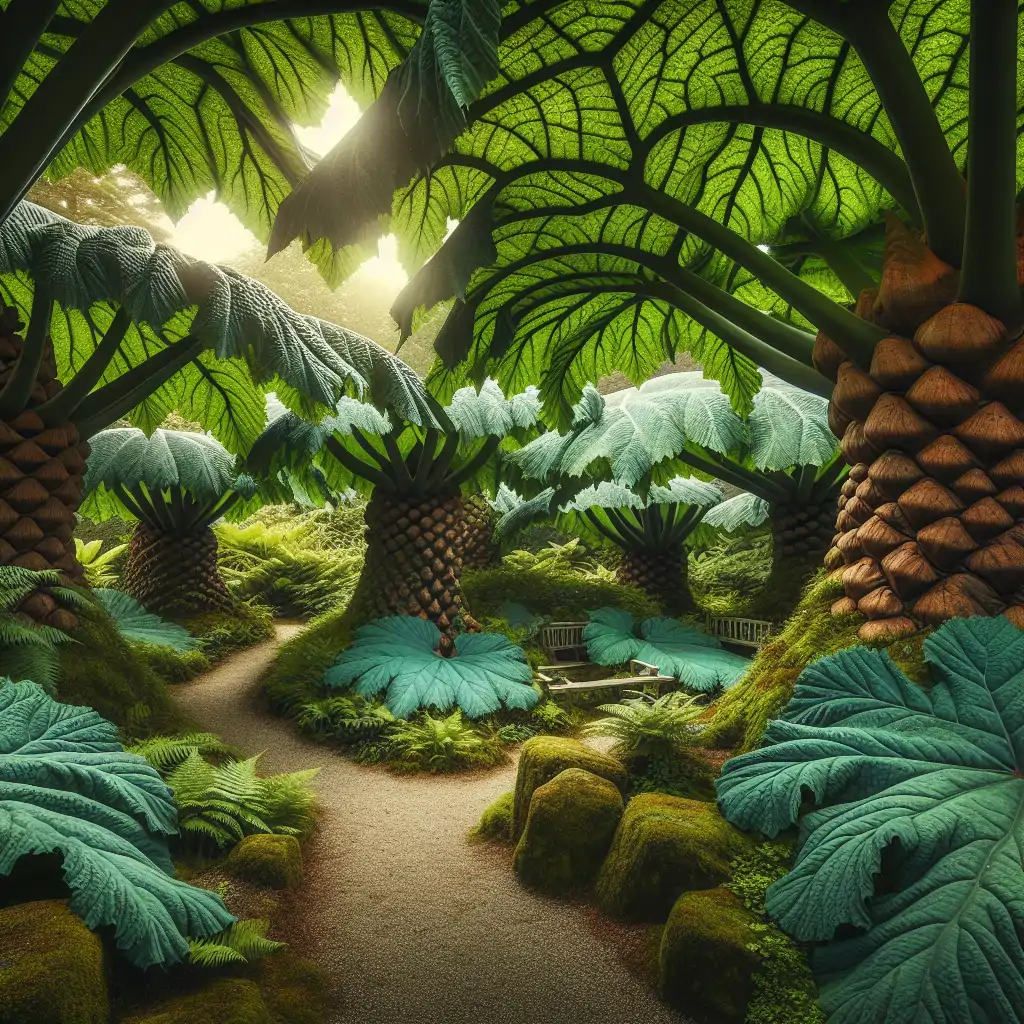
Welcome to a verdant voyage where foliage takes center stage in the theatre of unusual gardening. We often celebrate the blossoms or the fruits, but the leaves are where the real magic happens. Imagine strolling through your garden with leaves so large they could shelter you from an unexpected rain. Enter the mystical realm of 'monstrous foliage' where the ordinary becomes extraordinary. It's a world where the leaves not only protect but also mesmerize with patterns as intricate as the frescoes of the Sistine Chapel. We're here to introduce you to these botanical behemoths that add a legend's charm to any garden. The leaves are ready for their limelight moment, so let’s dive into the delights of oversized foliage, with each leaf telling a story of nature's grandeur.
In our leafy exploration, we’ll uncover some of the garden giants like the Gunnera, whose leaves are reminiscent of prehistoric jungles. It’s a part of the plant kingdom that invokes curiosity and awe, where each piece of foliage isn't just a static background but a dynamic character in its own right. These leaves can invigorate a sense of wonder and curiosity that’s contagious. Whether you're a seasoned gardener or just starting out, there’s something irresistibly majestic about having a slice of primordial wilderness right in your backyard. And it’s not just size that matters – leaf patterns and textures play a starring role too. The ripple effect of a Caladium's kaleidoscopic design or the fern-like spread of a Fatsia offers a visual feast that can elevate the simplest of gardens into an exotic paradise.
So, what's the secret to cultivating this oversized elegance? This blog post is your green-thumbed guide, equipped with stories to enchant and tips to empower you to create your own garden legend. We'll traverse through the eccentricities of monstrous foliage, share laughable anecdotes about their origins, and provide practical insights to help you bring this leafy drama into your personal plot. Whether you're looking to impress your neighbors or simply wish to indulge in the art of unusual gardening, these leafy legends offer the perfect gateway. Let’s embark on this adventure together, promising a garden transformation that won't just be about looks, but about intrigue, history, and a touch of comedy in every frond.

Every garden starts with a seed, but for those who crave the unusual, the humble seed grows into something much grander. Enter the Gunnera, often dubbed the ‘giant rhubarb’ of the plant world, revered for its king-sized leaves that could compete with the umbrellas of Mary Poppins. Originating from the wetland areas of South America, primarily in Brazil and Colombia, Gunnera loves moist soil and a shady spot but can bask under partial sunlight too. As it establishes residency in your garden, watch it transform into a leafy leviathan, a prehistoric artifact right at your feet. The magic of such giant foliage is that it’s both a spectacle and a service; it attracts wildlife and provides an unexpected shade for garden visitors.
Then there’s the Alocasia, affectionately nicknamed the ‘Elephant Ear.’ Just one look at its bold, heart-shaped leaves, and you’ll understand why. The Alocasia's mysterious aura stems from its Asian rainforest origins, where it naturally thrives in humid and shaded environments. But this is no mere leafy giant; it’s a seasonal chameleon. In the warmer months, Alocasia relishes a wetter soil, like a tropical lagoon, but come winter, it prefers a dry spell, offering you a dance of lively adaptation throughout the year. Plant these in pots, indoors or out, and you’re introduced to a shape-shifting design marvel.
Voyage further into the world of extraordinary leaves, and you’ll meet the Ravenala, better known as the Traveller’s Palm. Although technically not a palm, this plant literally stands tall and proud among its foliage peers. Cultivated originally in Madagascar, the Ravenala is a masterclass in botanic symmetry with leaves fanning out like a giant peacock proudly displaying its feathers. Its name stakes from a fascinating tale; water collected in the leaf bases once quenched the thirst of weary adventurers. If adding a dash of spectacular storytelling and tall foliage is your goal, Ravenala is your go-to green stakeholder.
But the journey of monstrous foliage isn’t all about the giants; it's about the artistry stitched into the leaf fabric. Take the Caladium, often hailed for its intoxicatingly beautiful and colorful leaves that seem to have been painted by an abstract expressionist. These plants are nature’s living canvases, splashed with pinks, whites, reds, and greens that shift not with the seasons, but with the sunlight and soil nutrients. And while Caladiums are somewhat fussy, preferring warm climates to evoke their chromatic dance, the effort to grow them is immensely rewarding for the perpetual fireworks they bring. It’s like watching a Turner Prize contender come to life in your garden.
Continuing our exploration, we encounter the iconic Monstera. The Swiss Cheese Plant, as it’s affectionately known, has become a household favorite not just due to its intriguing patterns, but also because it thrives wonderfully indoors. Monstera leaves are riddled with natural perforations—an evolution to withstand intense tropical rain and winds, or so say the botanical gourmands. The simple act of pruning can personalize your Monstera, letting each leaf's fenestration tell its wild story. Such playful foliage isn't merely decorative, but an interactive component in the narrative of your green space.
Next is a lesser-known contender: the Fatsia Japonica. This plant, with its luxuriously lobed, glossy leaves, brings a touch of the exotic to temperate gardens, and carries a gravitas usually reserved for more tropical specimens. Native to the wooded areas of Japan and Korea, Fatsia Japonica easily becomes a staple for gardeners aiming to fuse elegance with a touch of wildness. Its ability to adapt to low light makes it perfect for spots beneath trees or in sheltered corners. The architectural grandeur of these leaves makes them not just an addition, but an essential piece to any designer's green toolkit.
Now, let’s dig deeper, as we embrace the delightfully peculiar Schefflera, also known as the Umbrella Plant. Watch how its umbrella-like leaf structures unfold, each petiole giving way to a symphony of smaller leaflets that spread in a pattern ideally suited to capture every shard of light that filters through the canopy above. Indigenous to the forests of Taiwan and Hainan, Schefflera showcases a radiant resilience, thriving in both pots and wild outdoor setups. For those relentless seekers of unusual plants, Schefflera offers a dynamic leafy narrative that pairs well with its tropical comrades, enhancing both the beauty and depth of any garden landscape.
Venturing to the lush corners of your dreamscape, the colossal form of the Philodendron commands attention with its theatrical leaves. These foliage titans call the tropical Americas home, draping themselves across forest floors and soaring up tree trunks with grace. As easy-going houseplants, philodendrons find a home with just a damp cloth wipe now and then. But when unleashed outdoors, they become the starring role in the botanical saga. Their leaves, adorned with deep lobes and strange silhouettes, are poetry wrapped in photosynthesis. To nurture a philodendron is to cultivate a personal piece of the rainforest.
Amid colossal foliage stands the cheeky Castor Oil Plant, or Ricinus communis. Behind its sharp, palm-shaped leaves lies a fascinating history, bridging the ancient pharmacies to modern textiles. Originate in the eastern Mediterranean and Africa, Ricinus is a plant not just of aesthetic allure but also industrial significance, as its seeds yield a prolific oil known for its various applications from medicine to mechanics. A word of caution when considering this leafy companion—the seeds are toxic. But with some care and consideration, the Castor Oil Plant can be an exotic, conversation-sparking resident in a gardener's collection of leafy marvels.
Embark on an exploration of the colossal Kalanchoe beharensis, known affectionately as the Elephant's Ear Kalanchoe. Bedecked with unconventional, fuzzy leaves that feel like they belong in a Doctor Seuss illustration, this plant hails from the arid regions of Madagascar. Their stature isn’t as towering, yet their sculptural form packs an aesthetic punch. The leaves possess a charming ambiguity, with polar textures—soft felty overcoats, yet firm and hardy underneath. Ideal for drought-resistant gardens, Elephant’s Ear Kalanchoe brings a surreal quality to borders and tabletop displays alike.
For those seeking not just stories but structural ingenuity, the Taro stands proud. With its heart-shaped leaves that often reach three feet in length, this plant redefines what we think of as traditional gardening. Native to wet, swampy habitats in South Asia, Taro offers not just an ornamental delight but also a culinary staple in many cultures. In its grand leaves, it balances the conversion of sunlight into energy with its subterranean tubers that have fed generations. Growing Taro transports any gardener between artistic endeavor and agricultural practice, enriching habitats with dense verdancy and potential culinary experiments.
While exploring the domain of towering foliage, one cannot overlook the contemplative beauty of the Canna Lily. With foliage as vibrant as its flamboyant flowers, Canna brings a dash of tropical ethos to gardens. These lush, banana-like leaves often sport variegated or bronze tones, infusing a warm palette amidst green companions. A native of the lush, warm Americas, Canna cultivars invite a dance of colors that last through summer. As you nurture Cannas, relish the hope of splendor in both foliage and floral form throughout the year. Their warmth and energy invite all creatures, big and small, to revel in the garden spectacle.
The tales of Hemigraphis take us to a subtler depth within the discourse of monstrous foliage. This quiet, understated marvel produces low carpets of metallic-hued leaves in purple or silvery tones that twist and turn in ways worthy of a master weaver’s prowess. Sometimes called the Red Ivy or the Purple Waffle Plant, Hemigraphis is not necessarily about looming size but grand impact. Resilient in nature, these ground-huggers add a splash of vibrancy where other giants may not tread. They rear their flamboyant posterity across pavements or indirectly shaded plots, enhancing the textural tapestry beneath.
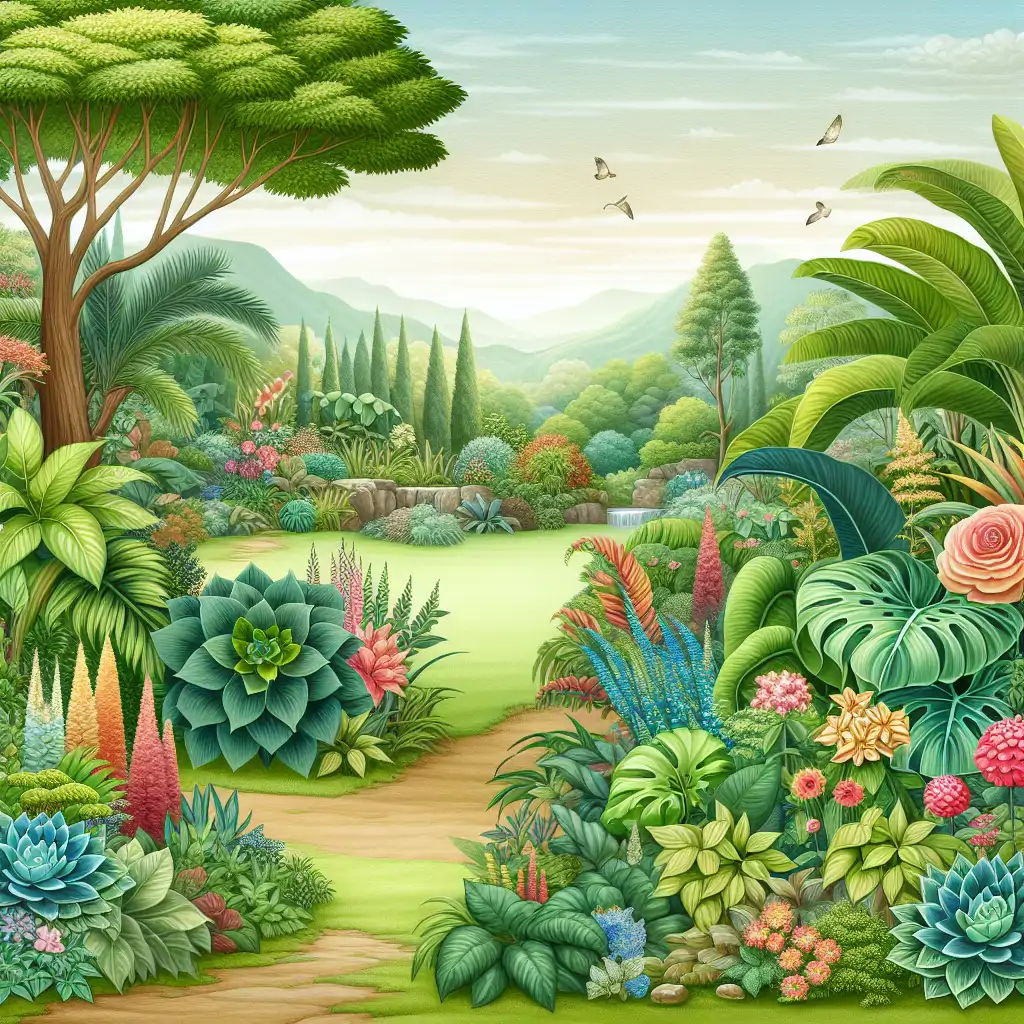
The charming, towering charisma of monstrous foliage redefines garden aesthetics while introducing a personal sense of botanical pride. These leafy legends aren’t merely one-hit wonders; they deserve recognition as creators of atmosphere, origin stories, and elegance. Each story, every leaf unfurling, becomes a piece of heritage—an echo of nature's artistry written across your lush canvas. As intriguing as they are large, these plants invite you to explore and experiment, allowing a handful of enigmatic greenery to continuously surprise and reward you.
Cultivating a lush environment abundant with the grand scale of Gunneras, kaleidoscopic marvels of Caladiums, or imposing statures of Philodendrons fulfills more than aesthetic desires; it fosters a sense of historical continuity, nourishing wildlife, and a sanctuary of inspiration. Whether looking to add dramatic flair or a tranquil retreat, these foliar giants serve as guardians of the garden order, providing a spectacle not just for the eyes but for all stories they inspire.
In embracing this magnificent cast of botanical wonders, your garden morphs from mere plot to paradise, a place where legends bloom and the gigantic stature meets the intricate beauty of textural interplay. Whether to impress houseguests or weave a fabric of nature's history through your backyard, embrace this journey with joy, humor, and dedication. Welcome to your very own secret garden, where legends thrive, and leaves grow not only with vigor but heart.
Thanks for taking the time to read my article! You may also find this one interesting.
Peculiar Petals: The Bizarre Beauty of Rare Flowering PlantsTil next time! Prijanka

Prijanka
Prijanka is a wellness coach and inspired blog writer. Drawing from her expertise in holistic health and her talent for motivating others, she writes insightful articles that empower readers to live healthier, more balanced lives, blending practical advice with a genuine passion for well-being.
A proud member of the B-Team
If you're curious to dive deeper into related topics, then you may find these external links useful.
1. Royal Horticultural Society - Gunnera
Detailed information on growing Gunnera, including habitat and care tips, useful for gardeners interested in large foliage plants.
https://www.rhs.org.uk/plants/gunnera2. National Gardening Association - Alocasia Care Guide
Comprehensive guide on Alocasia, its varieties, and maintenance, relevant for those looking to cultivate 'Elephant Ear' plants.
https://howtogroweverything.com/the-ultimate-guide-to-alocasia-care-tips-and-varieties/3. Madagascar Flora - Ravenala madagascariensis
Explores the origins and growth patterns of the Traveller's Palm, offering insights into its unique characteristics and legends.
https://www.rhs.org.uk/plants/14404/ravenala-madagascariensis/details4. American Horticultural Society - Caladium Varieties
An extensive overview of Caladium plants, focusing on their colorful foliage and cultivation techniques.
https://ownyardlife.com/108-caladium-varieties-with-pictures-and-names/5. Houseplant Central - Monstera Care and Propagation
A resource for understanding the care, propagation, and fenestration of the popular Monstera plant, ideal for indoor gardeners.
https://houseplantresourcecenter.com/2020/11/monstera-propagation-in-5-minutes/©2023 - 2026 SP Software Solutions Ltd. All rights reserved.