Peculiar Petals: The Bizarre Beauty of Rare Flowering Plants
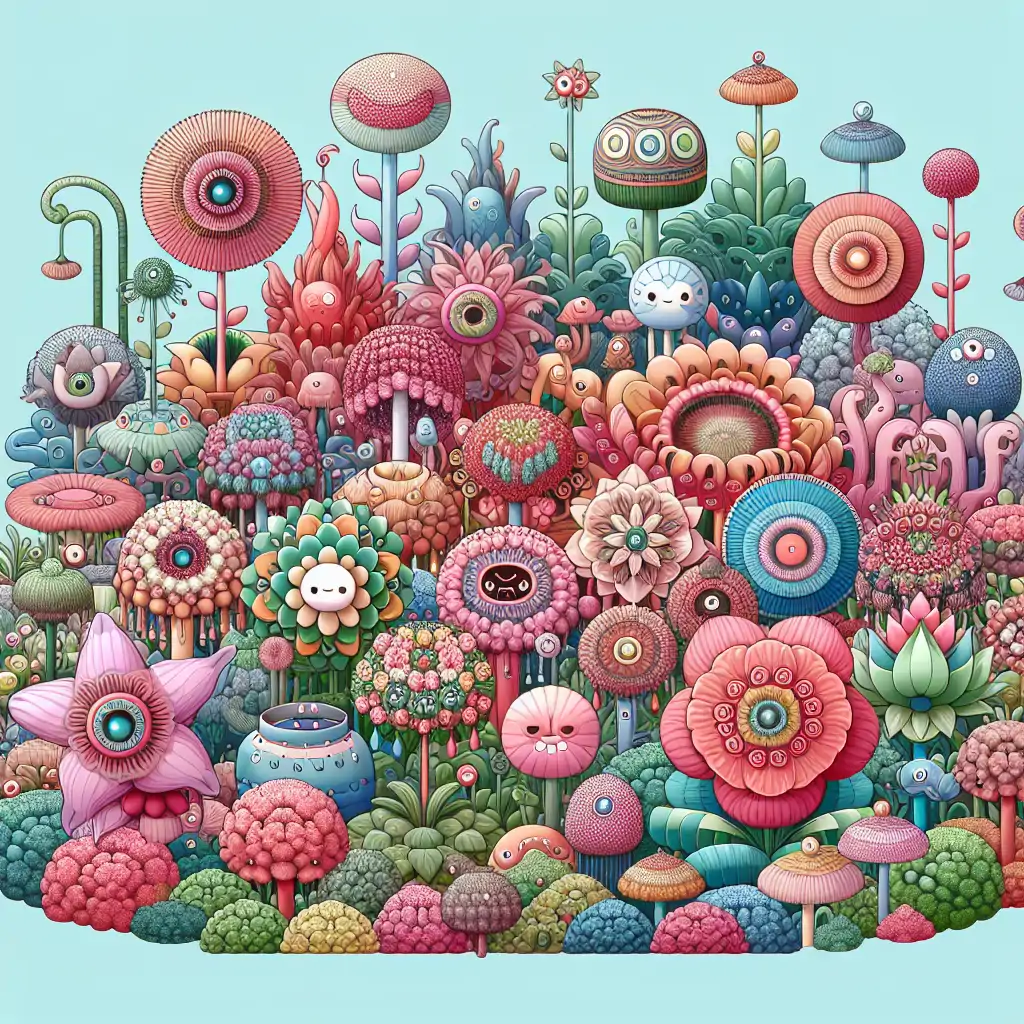
Step right up, dear readers, and prepare to be amazed as we embark on a journey through the whimsical world of rare flowering plants. These extraordinary blossoms defy conventional garden norms with their astonishing hues, bizarre shapes, and fascinating stories. Whether you’re a seasoned gardener or just dipping your toes into the realm of unusual horticulture, these peculiar petals promise to add a splash of eccentric flair to any garden. From the mesmerizing eyes of the ‘Happy Alien’ to the dazzling displays of the Parrot Flower, each unique bloom holds its secrets and surprises. In this blog, we’ll delve into the peculiar beauty of these rare plants, uncover their curious characteristics, and reveal the astounding ways they have adapted to their unique environments. Join us as we uncover garden wonders that will have you giggling and gasping in equal measure. Ready your green thumbs, because by the end of this journey, these enchanting misfits might just find a place in your heart and your garden.
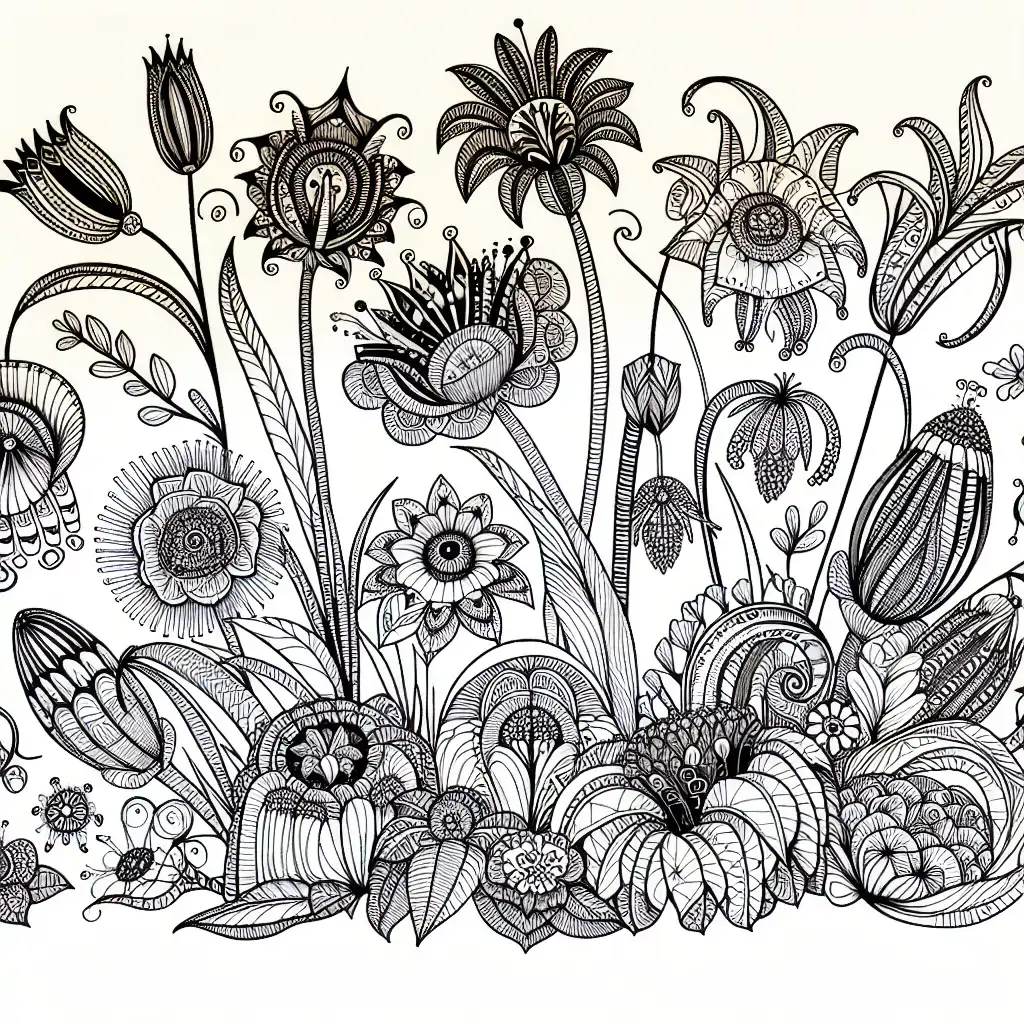
First on our list of peculiar wonders is the ‘Happy Alien’ flower, scientifically known as Calceolaria Uniflora. With its vibrant orange and yellow blooms, it’s hard not to be charmed by its uncanny resemblance to a little alien creature. Originally from the southern regions of South America, these flowers have adapted beautifully to harsh mountain climates. The ‘Happy Alien’ not only thrives in rocky soils but has an uncanny ability to draw pollinators, especially jewel-plumaged hummingbirds, with its nectar-rich pouch. Its appearance is as intriguing as its survival strategies, making it a standout choice for any gardener looking to add an out-of-this-world element to their plot.
Next, let's travel to the tropical rainforests of Thailand, where the Parrot Flower, also known as Impatiens Psittacina, steals the show. This delightful bloom boasts a shape eerily similar to that of a flying parrot, stretching its petals like wings in search of flight. Remarkably rare and strictly protected, the Parrot Flower’s stunning pink, red, and indigo hues blur the lines between flora and fauna. Curious gardeners are often tempted to cultivate these flowers outside their native region, but doing so is legally dicey, as this rare beauty thrives best in its native environment, requiring specific conditions to flourish.
If you crave something akin to gothic charm, then meet the Black Bat Flower, or Tacca Chantrieri. With a look that marries elegance and whimsy, this flower flaunts deep purple petals resembling bat wings, complete with long, flowing whiskers. Native to the tropical forests of Southeast Asia, this flower knows how to stand out in the wild. Beyond its appearance, the Black Bat Flower plays a unique role in its ecosystem, serving as a night-time spectacle for nocturnal pollinators like fruit bats and moths. With proper care, including high humidity and indirect light, you could invite this enigmatic bloom to dwell among your botanical collection.
Switching gears to a botanical oddity that doesn’t shy away from drama, we present the Corpse Flower, scientifically called Amorphophallus Titanum. Known for its colossal size and putrid scent, this flower’s rare bloom event is both a horticultural phenomenon and a nose-wrinkling experience. It thrives in the lush rainforests of Sumatra, where its stinky aroma attracts carrion beetles and flesh flies to ensure pollination. Though it takes years to bloom, its brief display is unforgettable, drawing crowds eager to witness this natural oddity. While it’s certainly not suitable for the typical home garden, its story remains a captivating one for gardening enthusiasts.
Another peculiar cultivar that beckons admiration is the Monkey Face Orchid, scientifically named Dracula Simia. Frequently found in the cloud forests of Ecuador and Peru, its flowers mimic simian features with startling precision. The orchid’s face-like appearance often stirs delightful surprise, sparking curiosity among botanists and amateurs alike. Not only pleasing to the eye, but the Monkey Face Orchid also emits a sweet fragrance akin to ripe oranges. These orchids require cool temperatures and high humidity, conditions best replicated in greenhouses or controlled environments, making them a charming challenge for the dedicated grower.
For a fiery twist of unusual allure, consider adding the Flame Lily, or Gloriosa Superba, to your botanical roster. Native to Africa and parts of Asia, its bright red and yellow flowers resemble flames flickering in the wind. Despite its beauty, the Flame Lily is notorious for its toxic attributes, requiring careful handling. Primarily used in its native regions for medicinal purposes, every part of this plant harbors potent alkaloids harmful to humans and animals. Gardeners with a penchant for bold, daring flora will find themselves captivated by its combination of beauty and danger.
Journey to the deserts, where the Queen of the Night, also known as Selenicereus Grandiflorus, dazzles with its nocturnal blooming. This captivating cactus unveils its large white flowers under the moonlit sky, filling the air with a sweet fragrance. The Queen of the Night lives up to its regal name, as its blooms last only for a single night, making it a rare spectacle reserved for nighttime admirers. Known as a symbol of fleeting beauty, it captures hearts not just with its looks but also with the anticipation of witnessing its rare bloom. Perfect for desert-themed landscapes, this cactus can be a ringing bell for night garden parties.
Dive into the briny depths with the Sea Holly, also known as Eryngium. Resembling blue-toned sea creatures, these flowers add a splash of marine magic to any garden. Native to Europe and adored by pollinators, Sea Holly has evolved beautifully, adapting to sandy soils and coastal winds with its rigid, spiky leaves. Its long-lasting blooms and resemblant sea creatures make it a unique addition. Beyond gardens, Sea Holly has found its way into floristry, celebrated for its unusual beauty and impressive vase life, proving to be a versatile favorite among floral designers.
Then we have the Jaw-dropping Bat Orchid (Rhizanthella Gardineri), an Australian native wonder not easily seen by the naked eye. It remains almost entirely subterranean. Known as the Underground Orchid, it requires specialized fungus for survival, a symbiotic relationship as fascinating as it is complex. This botanical enigma chose an unusual approach to life underground, demonstrating nature’s knack for creativity. While not viable for a typical garden, the Bat Orchid’s story is a reminder of the diverse survival strategies that plants employ and the wonders hidden beneath our feet.
Intrigued by carnivorous plants? Look no further than the Venus Flytrap (Dionaea Muscipula). Famous for its snapping traps that swiftly capture unsuspecting insects, this plant has long enchanted scientists and hobbyists. Hailing from the wetlands of North and South Carolina, the Venus Flytrap has specialized leaves that employ a mechanism of rapid closure to catch its prey, demonstrating an incredibly unique evolution. This fascinating adaptation serves as both a defense and a nutritional strategy, allowing the plant to survive in nutrient-poor soils. Cultivating these plants requires careful attention to moisture and light, as well as a carnivory-admiring mindset.
For those seeking a festive floral addition, the Christmas Cactus, or Schlumbergera, provides a vibrant touch during the holiday season. Known for its cascading blooms in reds, pinks, and whites, it defies the winter gloom by thriving indoors. Native to the coastal mountains of Brazil, the Christmas Cactus has evolved to grow on tree branches where it's cozy and bright, rather than in the ground. With a little care, it can brighten your home year after year, blooming in time to celebrate with you and spread seasonal cheer.
A feast for the eyes and an intellectual puzzle, the Shell Ginger (Alpinia Zerumbet) is a tropical plant that delights with its clusters of pink, shell-like flowers. Originating from East Asia, this plant is more than just a beauty; it's lauded for its versatility. Used in traditional medicine and cuisine, Shell Ginger captivates gardeners with its ornamental prowess and aromatic leaves. Its adaptability makes it a favored choice for tropical gardens, though it demands regular watering and humidity. In return, it offers splendor and a standout fragrance that can transform garden ambiance.
Rounding out the intriguing bouquet is the Jade Vine (Strongylodon Macrobotrys), an exotic spectacle from the rainforests of the Philippines. This climbing plant is renowned for its mesmerizing blue-green flowers, resembling cascading waterfalls. Not just a stunner, the Jade Vine is vital for its native ecosystem, providing nourishment for bat species crucial for pollination. Though it's challenging to grow outside tropical climates, this vine has captured the hearts of botanists and gardeners with its unmatched shade and cascading appearance. It serves as a reminder of nature’s extraordinary palette and the importance of conserving rare species.
When considering cultivation of these unusual plants, each comes with its own set of challenges and rewards. For budding enthusiasts eager to bring home the Happy Alien flower, simulated cool conditions, well-drained soil, and basking sunlight are key to mimicking its natural environment. Potential challenges include preventing overwatering and ensuring adequate pollination support from local garden fauna.
Taking on the challenge of the Parrot Flower requires an understanding of its unique environmental needs. Providing shade during hot afternoons, maintaining humidity, and ensuring that nighttime temperatures dip slightly mimic its native tropical climate. While seeds might be accessible through niche garden suppliers, growing it legally alongside conservation efforts is a rewarding choice for ethically-minded gardeners.
The Black Bat Flower demands a specific setting in which high humidity reigns supreme, making tropical enclosures or greenhouses ideal for its growth. Regular watering and a well-balanced, acidic soil mix ensure it maintains its robust silhouette. Cultivating this flower not only enhances your garden’s aesthetic but offers ecological benefits by attracting essential nighttime pollinators.
Though growing a Corpse Flower is not for the faint-hearted, with proper expertise and ample space, botanical gardens often embark on this journey. Provision of a humid, warm climate and nutrient-rich organic material fosters its infrequent blooms. Breaking down its mystery while contributing to conservation efforts can be an enriching pursuit.
Doting upon a Monkey Face Orchid involves creating a controlled environment that supports humidity and cool temperatures. Greenhouses become sanctuaries for these delicate orchids, where attentive care and understanding of orchid requirements play crucial roles in flourishing life.
Prospective caretakers of the Flame Lily must approach with caution due to its toxicity. Despite its deadly charm, handling with gloves and ensuring it’s out of reach for pets and children are essential for safe cultivation.
Queen of the Night calls for patience and observation, demanding well-draining soil and arid conditions akin to moonlit deserts. With its once-in-a-blue-moon routine, engaging with its nocturnal aura involves an embrace of its short-lived beauty.
Sea Holly is a sturdy contender even for inexperienced gardeners, appreciating sun-drenched spots and sandy soils. Thriving on neglect, it rewards diligent gardeners with its sea-inspired assembly and prolonged bloom period.
Those curious about nurturing the Bat Orchid should consult with specialists due to its underground lifestyle. While not common in households, a curiosity for its unique life cycle enriches plant lore and conservation discourse.
Venus Flytraps invite mindful companionship, as replicating their wetland origins involves commitment to consistently moist conditions and bright, indirect lighting. Crafting a small ecosystem encourages these insect-eating wonders to thrive.
Christmas Cacti flourish indoors, seeking a temperate zone with filtered light and a draft-free environment. During festive times, their vibrant blooms reflect back the care and attention imparted, creating a celebration all their own.
Shell Ginger enthusiasts enjoy crafting a jungle-like atmosphere through consistent watering and indirect light. Its decorative blooms and aromatic leaves ensure dynamism both in the garden and as houseplants, offering versatility and beauty.
The cultivation of Jade Vine is a labor of garden devotion, with the understanding that it thrives in humid, temperature-regulated environments. Its majestic blooms are a reward for the attentive gardener dedicated to preserving its splendor.
To welcome these unusual bloomers into your life doesn't just involve a garden upgrade; it’s an invitation to learn, sustain, and appreciate nature's exceptional creativity. Each bloom narrates a tale of adaptation, survival, and allure, stoking curiosity in what lies beyond the ordinary.
Open-minded gardeners will find the endeavor of raising bizarre blooms a fulfilling exercise. It not only entails gardening skills but also promotes an appreciation for the rarity and uniqueness that world flora present.
Our journey does not stop at aesthetics. Incorporating rare flowering plants into the garden is a nod towards biodiversity and conservation, supporting ecological balance and showcasing the extraordinary capabilities of plants.
May these peculiar petals inspire creativity, reawaken curiosity, and ignite wonder. Embrace the allure of the strange and transform your garden into a canvas of bizarre beauty, celebrating life in all its eccentric glory. As you cultivate these rare blooms, explore the fascinating narratives they bring and the challenges they pose, nurturing a space bursting with individuality and marvel.
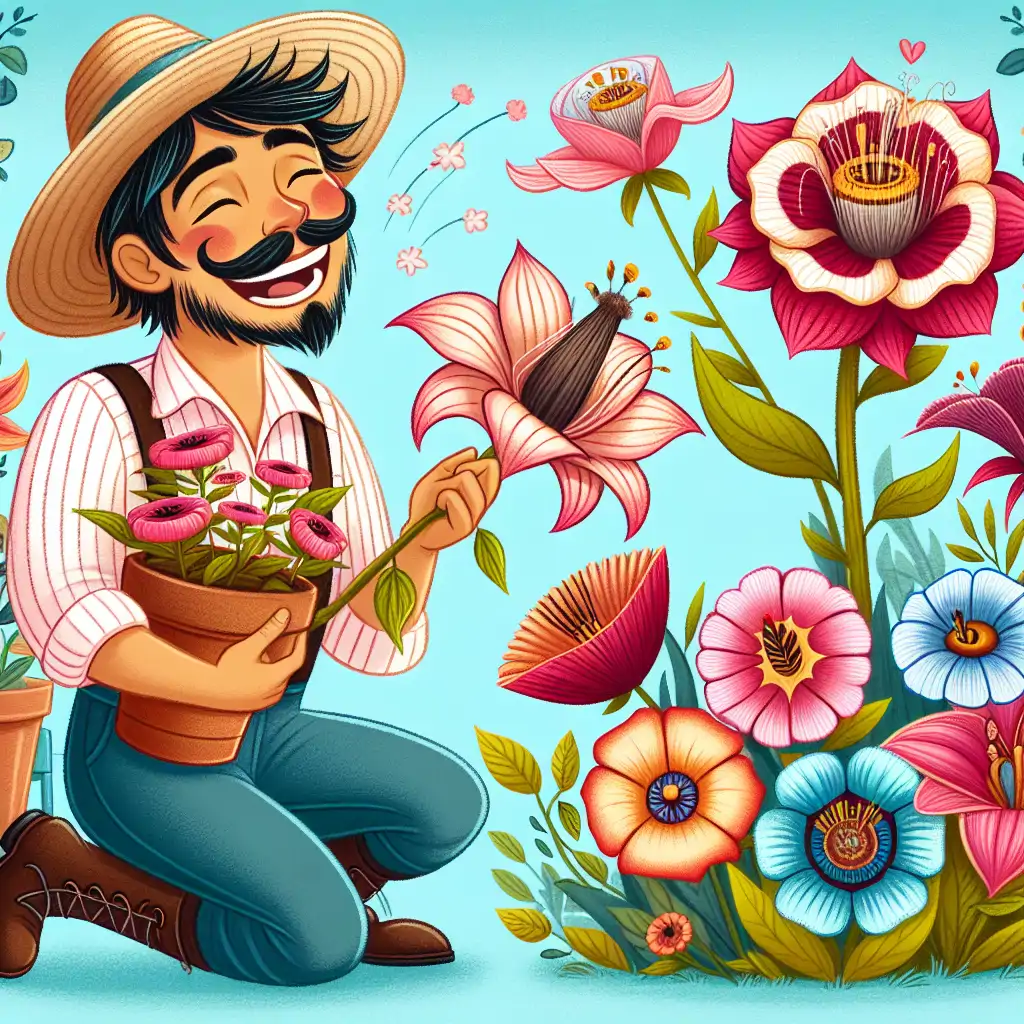
As we conclude our whimsical walk through the world of unusual flowers, remember that each peculiar petal holds the power to transform an average garden into a living gallery of exceptional beauty. Embracing these unique individuals in your gardening endeavors offers not only an array of visual delights but also a deeper connection with the intriguing stories behind each bloom. They challenge us to rethink conventional gardening norms, inviting us to cultivate both plants and a sense of wonder. Whether you're drawn to the quirky shape of the Monkey Face Orchid or the nostalgic aura of the 'Happy Alien,' these strange blooms await your attention and admiration.
Gardening is often an art form, and incorporating strange blooms into your masterpiece allows for not only a personal expression of creativity but also a celebration of nature's eccentricities. Each rare species has evolved over millions of years, adapting in astounding ways that often bring about a sense of awe. The lessons imparted by these rare flowers remind us of the resilience and ingenuity of life—traits that continue to inspire gardeners and naturalists alike.
So, dear reader, as you contemplate your horticultural pursuits, consider making room for these delightful oddities. Embrace the whimsical and welcome in the rare. Let them challenge your green thumb, stretch your imagination and fill your garden with individuality. As you nurture them, may you also cultivate joy, curiosity, and respect for the extraordinary tapestry that is our planet's flora.
Thanks for taking the time to read my article! You may also find this one interesting.
Wacky Roots: The Underground World of Peculiar PlantsTil next time! Katie

Katie
Katie is a wildlife guru by day and a passionate part-time blog writer. With her deep expertise in nature and a gift for vivid storytelling, she crafts compelling articles that bring the wonders of the wild to life, captivating readers with her knowledge and love for the natural world.
A proud member of the B-Team
If you're curious to dive deeper into related topics, then you may find these external links useful.
1. Calceolaria Uniflora - The Happy Alien Flower
An article detailing the characteristics and growing conditions of the Calceolaria Uniflora, also known as the 'Happy Alien', highlighting its unique adaptation strategies and vibrant appearance.
https://gardenofeaden.blogspot.com/2014/07/the-happy-alien-plant-calceolaria.html2. Impatiens Psittacina - Rare Parrot Flower
A comprehensive guide on the Parrot Flower, exploring its native habitat, rarity, and legal considerations for cultivation outside its natural environment.
https://en.wikipedia.org/wiki/Impatiens_psittacina3. Amorphophallus Titanum - The Corpse Flower
Information about the Corpse Flower's blooming cycle, its environmental role, and its appeal to botanical gardens and enthusiasts despite its notorious odor.
https://www.treehugger.com/corpse-flower-amorphophallus-titanum-50959354. Dracula Simia - Monkey Face Orchid
Focuses on the unique features and cultivation requirements of the Monkey Face Orchid, known for its simian-like blooms and sweet fragrance.
https://plantophiles.com/plant-care/monkey-face-orchid/5. Selenicereus Grandiflorus - Queen of the Night Cactus
Explores the nocturnal blooming habits and cultivation tips for the Queen of the Night cactus, famed for its brief and captivating nightly displays.
https://en.wikipedia.org/wiki/Selenicereus_grandiflorus©2023 - 2026 SP Software Solutions Ltd. All rights reserved.