Frosty Fronds: Uncovering the Chilling Charm of Cool-Climate Plants

Venturing into the world of cool-climate plants is like opening the wardrobe to Narnia—exciting, unexpected, and a little bit frosty. These frost-hardy plants don’t just survive the cold; they revel in it. If your idea of a garden paradise involves snowflakes rather than sunburn, you’re in the right place. Let’s explore some botanical wonders that make chilly climates their happy place. From the eerie beauty of the Hawaiian Silver Sword to the delicate charm of snowdrops, these tenacious plants are nothing short of magical. They've adapted unique strategies over eons to not only withstand the cold but thrive where others falter. Imagine creating a winter wonderland in your own backyard, complete with frost-kissed foliage and flowers that bloom amidst the snow. Whether you're in a perpetual winter clime or simply dream of a garden that scoffs at the cold, these hardy companions promise endless enchantment. So, grab your gardening gloves and let your heart—and your garden—be warmed by the frosty fronds that laugh in winter’s face.
Cool-climate plants redefine resilience and beauty, showcasing Mother Nature's clever survival strategies. Not only do they defy freezing temperatures, but they also bring unmatched allure to landscapes often devoid of much other than barren branches and blanketing snow. Scratch beneath the icy surface, and you’ll find plants with striking textures, unusual forms, and the kind of charisma that turns frosty gardens into fairy-tale sanctuaries. So, why settle for a garden hibernating all winter when you can cultivate a living masterpiece? As we journey into the realm of frost-tolerant flora, you’ll gain insights into their growth habits, discover how they leverage dormancy, and learn tips to incorporate these plants into your garden with flair. Get ready to unlock the secrets of these cool companions and transform your outdoor space into a seasonal spectacle.
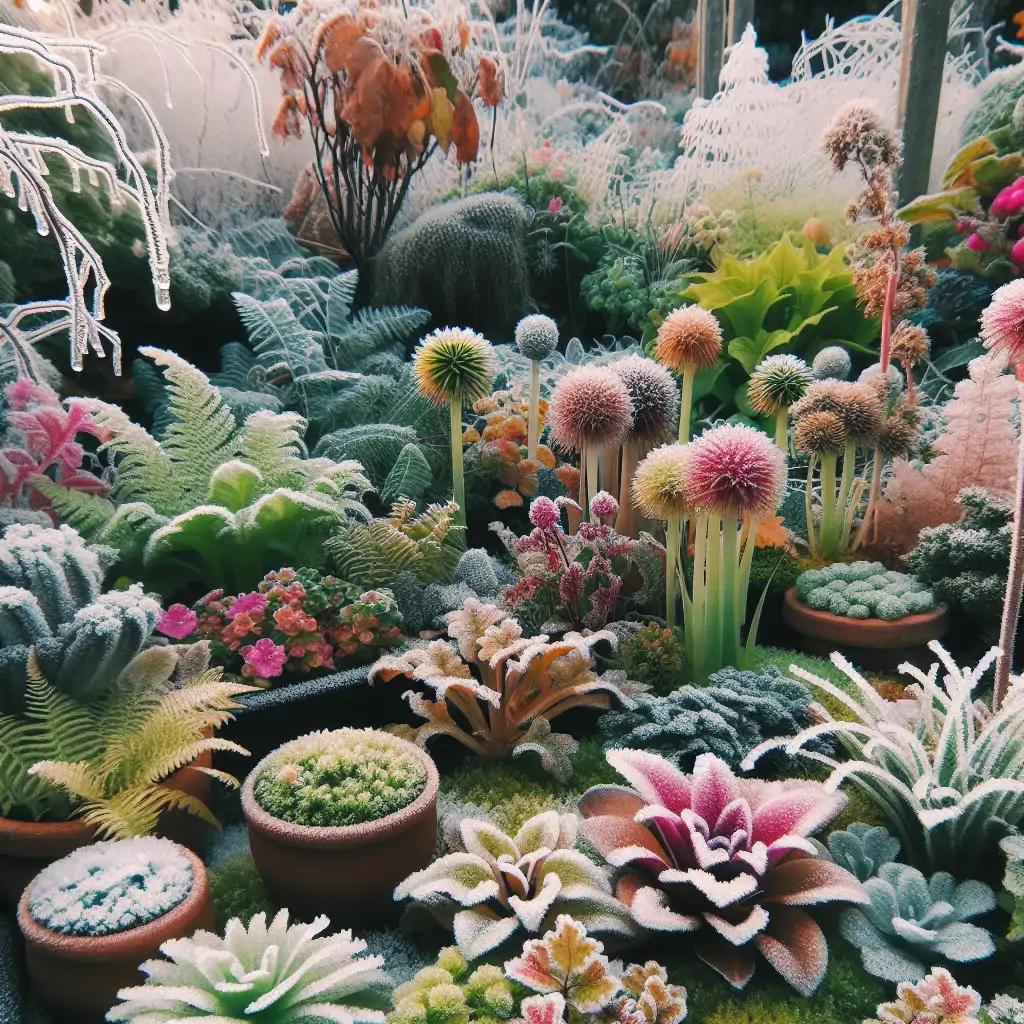
Enter the realm of the Silver Sword plant, an enchanting spectacle indigenous to Hawaii’s frigid mountain slopes. This plant is a master of the cold, thriving at altitudes where tiki torches dare not tread. With its metallic sheen and knife-edged leaves, it looks more like a piece of modern art than a mere plant. The Silver Sword has adapted to its frosty habitat by growing slowly, conserving energy for the severe conditions, and flowering just once in its life—a grand finale that can last up to several weeks. Post-bloom, these plants produce seeds for future generations before gracefully bowing out. Their unique growth habit ensures their survival and propagation in a habitat where one false move could lead to a plant's demise.
Then there are the delightful snowdrops—elegant ambassadors of the early year. These perennial bulbs are often the first to lift their heads through the snow, their nodding white flowers a hopeful promise that spring is just around the corner. Native to Europe and South-West Asia, snowdrops have adapted to colder climates through their bulbous structure that stores nutrients and energy to survive the winter months underground. Their early flowering time has a practical purpose too: with fewer pollinators around, snowdrops rely on the occasional bee or even wind to aid their reproductive efforts. But their visual charm is undeniable—a meadow filled with snowdrops is a sight to behold, a wintry cloud brush-stroked with life and resilience.
The Hellebore, often referred to as the Christmas rose, is another cool-climate superstar. While it doesn't twinkle like tinsel, its enduring beauty shines through the dreariness of winter. With thick leaves and tough stems, Hellebores are built to survive where other flowers wither. They take advantage of the winter months, blooming impressively even under a blanket of snow. Hellebores have mastered the art of slow release—by steadily maturing their seeds over a prolonged period, they avoid the erratic gusts of unpredictable winter weather. Their colors range from dusky purples to vivid greens and whites, adding depth and dimensionality to any cold climate garden.
Let’s dive into the realm of evergreens, the steadfast sentinels of frosty environments. Among them, junipers stand as resilient beacons, unyielding to icy attacks. With varieties ranging from small shrubs to towering trees, junipers thrive in dry, cold conditions. They boast needle-like foliage covered in a waxy coating that minimizes moisture loss and protects against frost. Their berry-like cones are a crucial winter food source for wildlife, demonstrating the integral role they play in their ecosystem. Incorporating junipers into your landscape design not only provides year-round structure and color but also fosters winter biodiversity.
We can’t forget the hardwood wonders like the Mountain Ash. Famous for its clusters of bright red berries, this tree presents a buffet for birds in the barren months. The berries, rich in nutrients, provide sustenance when other food sources are scarce. The Mountain Ash is a test of endurance, thriving in freezing temperatures where most would falter. This tree leverages the power of winter frost to effectively sicken its competition, as its robust nature shines when the environment is at its most hostile. A Mountain Ash in your garden is like a defiant red flag against winter’s white monotony.
Lichens, perhaps the less glamorous underdogs of the plant world, deserve notable mention. Found draping dramatically from trees or clinging stubbornly to rocks, lichens are actually a symbiosis between a fungus and algae. This partnership allows them to survive in some of the harshest environments on Earth. Lichens can endure extreme temperatures by entering a state of dormancy and have been known to survive in outer space—talk about out-of-this-world cold resistance! Their muted greys and greens add visual interest during times when many other hues have resigned themselves to hibernation.
Considering a touch of arctic enchantment? Look no further than the Sedum 'Autumn Joy.' While not solely a cold-climate plant, its tolerance for chill makes it ideal for gardeners seeking year-round bloom. These succulent perennials save energy through their fleshy leaves, which serve as reservoirs during harsh weather. As autumn whispers cold into the air, Sedum 'Autumn Joy' transforms, revealing a dynamic palette from soft pinks to rustic reds. Their stature and unusual coloring provide a striking contrast amidst the frost, adding warmth and depth to the garden canvas.
The Arctic Willow, a subspecies of the willow, epitomizes adaptation in extreme conditions. Often found in harsh tundra, this plant laughs in the face of wind chill. Its creeping growth habit, hugging close to the ground, minimizes exposure to icy gusts. This scrappy survivor continuously proves that beauty can emerge from the harshest environments. As an added bonus, its compact size and attractive foliage make it a perfect option for gardens looking to enhance their cold-weather appeal without overwhelming the landscape.
Heather, commonly associated with sweeping Scottish moors, brings an unrivaled resilience and beauty to cold gardens. This hardy evergreen shrub thrives in well-drained, infertile soils—a testament to its tough nature. Heather blooms vibrantly even amidst the hardest frost, coating the ground in rich purples, reds, and pinks. Its adaptability to cold, dry winds and freezing temperatures is matched by its attractiveness to wildlife, offering rodents and insects a habitat when resources are scarce.
Let’s not miss out on Lavender. Sounds surprising, doesn’t it? While not traditionally associated with colder climates, certain cultivars like the English Lavender can brave the cold admirably. With the correct soil drainage and a bit of pruning, lavender not only survives winter but can thrive, rewarding with blossoms that retain fragrance and color through the early chills. Their resilient silvery foliage can transform a winter garden into a true aromatic sanctuary.
The Mountain Bluet, or Centaurea montana, is another frosty fabulous contender with its striking blue flowers and silvery foliage. Native to European mountain woods and meadows, it relishes cold conditions and brings a burst of cool color to your winter landscape. This perennial not only prospers in adverse climates but also provides habitat for pollinators in the warmer months, ensuring your garden is buzzing as the seasons progress.
Witch Hazel defies the chill by unfurling golden spidery blossoms throughout the stark winter landscape, providing a pop of color when others shy away. This magical plant doesn’t just look stunning; it's also been used in traditional remedies. Its flowers bloom in winter, taking advantage of the reduced competition for pollinators. Native to North America and parts of Asia, Witch Hazel is a marvel of adaptability and a delightful ornament to any frosty garden.
Now for the cushion plants, known for their prostrate growth habit, enabling them to flourish in the coldest conditions. Their ability to blanket the ground helps to mulch soil and retain moisture, offering a practical way to bridge beauty with functionality. Such survival strategies allow cushion plants to thrive atop mountain ranges and polar environments, making them perfect for our frosty exploration.
Bergenia, sometimes affectionately referred to as 'Elephant's Ears' due to its large, leathery leaves, remains steadfast and green through the deep freeze. Its winter-preparing foliage turns from green to bronze and sizzling red, adding interest to the quiet, dormant garden. Once the snow melts, Bergenia boasts rich pink spring blossoms in gratitude for creating protective early-season shelters.
Russian Sage, while conjuring exotic visions of the steppes, surprises gardeners with its dynamism and cold hardiness. Its silvery stems and lavender-blue flowers create whimsically frosty silhouettes that cheerfully dance in the harshest winds. With negligible watering needs, it embodies both beauty and sustainability, making it a great asset for eco-conscious gardeners looking to embrace chill.
A yew hedge might sound quintessential, but its ability to handle frost and maintain vigor all year round makes it invaluable. These dark green evergreens are as versatile as they are reliable. They provide privacy, structure, and protection to other garden inhabitants, creating sheltered microclimates perfect for more delicate plants within a cold climate setting.
Consider adorning walls and trellises with Boston ivy, a deciduous luxury whose adaptability to temperature fluctuations ensures survival on even the coldest of days. Its stunning autumnal transformation from lush green to vibrant reds and purples adds drama as warmth wanes, creating visual delight when winter's whitewash takes over.
Cornus, or the red-twig dogwood, injects a fearsome fiery show into the frost. During the winter, its vibrant crimson branches stand stark against a serene snowy backdrop, creating a painterly scene. The functional beauty of this hardy deciduous shrub extends beyond its winter appeal—aiding pollinators come spring with pretty white flowers, and then berries that entice birds.
The Cotoneaster earns its place with a tenacity for frost and an inclination to decorate. While providing essential structure with its evergreen robustness, its berries offer an explosion of color through the winter months. These persistent pips resemble those adorning the boughs of holiday wreaths and provide sustenance for feathered friends when food is required.
Marrying diversity with tenacity, the Siberian Iris rises to claim authority in cold climates, producing elegant blooms of blues, purples, and whites over arching foliage—disharmony married to grace. A celebration of frost lovers, it's virtually low-maintenance, appealing to anyone who finds delight in divine distractions amidst chilling conditions.
Finally, the Arctic poppy stands as a testament to adaptation, hailing from the harsh tundras of the North. Its cheerful yellow flowers and spoon-shaped leaves are designed to capture sunlight and conserve energy—a masterstroke of evolution. Arctic poppies inspire with their ability to stand tall against formidable elements, symbolizing hope and endurance in any winter garden.
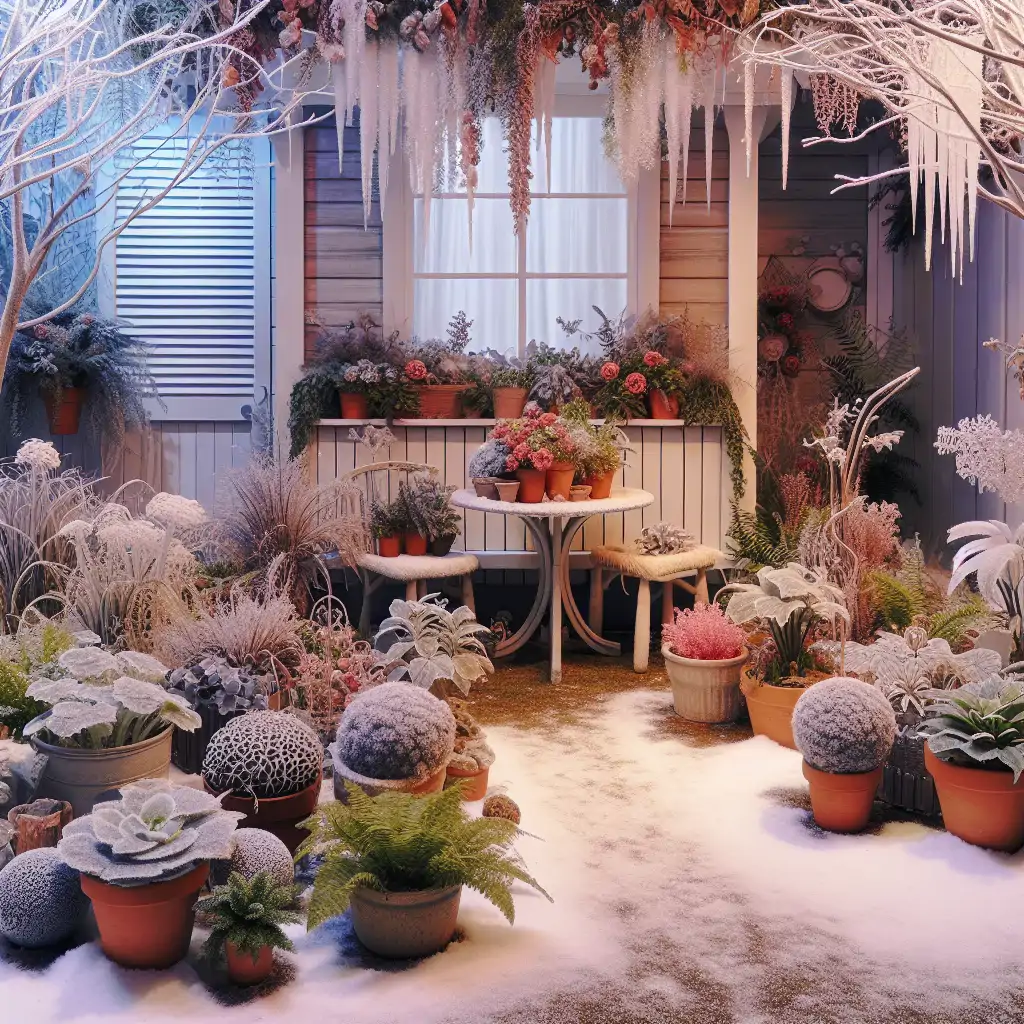
As we pull our frosty journey to a close, it's clear that cool-climate plants are a true testament to nature’s ingenuity. These botanical marvels showcase adaptability, allowing gardeners to create vibrant landscapes where others see nothing but winter's dormancy. From the majestic Silver Sword to the simple snowdrop, their beauty stands unwavering amidst the harshest conditions, inspiring us to contemplate resilience in our own lives. Integrating these plants into your garden won't just provide visual novelty and narrative; it helps foster an ecosystem that weathers the seasons beautifully.
By incorporating these hardy exemplars, gardeners can embrace winter’s cold embrace with vigor and creativity. These frost-friendly plants enhance not just the visual allure of your garden but its ecological value. The benefits go beyond aesthetics; they promise biodiversity and the opportunity to witness nature's dance with frost first-hand. Allow your garden to laugh in the face of adversity and remain a beacon of beauty throughout the year through these whimsical wonders.
If you reside in colder climates or simply dream of curating a garden that loves the chill, remember these frond friends. Experiment with layouts, textures, and combinations to transform your space into a lush getaway, even on the crispest of days. Winter hasn't won when your garden is alive; in fact, it has just set the perfect stage—a landscape welcoming frost yet blooming with life. Welcome to the enchanting world of frosty fronds, where your garden defies winter and thrives joyfully all year.
Thanks for taking the time to read my article! You may also find this one interesting.
Ghostly Gardens: The Enigmatic Allure of Unusual Albino PlantsTil next time! Katie

Katie
Katie is a wildlife guru by day and a passionate part-time blog writer. With her deep expertise in nature and a gift for vivid storytelling, she crafts compelling articles that bring the wonders of the wild to life, captivating readers with her knowledge and love for the natural world.
A proud member of the B-Team
If you're curious to dive deeper into related topics, then you may find these external links useful.
1. Silver Sword Plant
Information about the Hawaiian Silver Sword plant, its habitat, and unique adaptation strategies.
https://en.wikipedia.org/wiki/Mauna_Kea_silversword2. Snowdrops: Early Bloomers
A detailed look at snowdrops, their growth habits, and their role in heralding the arrival of spring.
https://thehomeyspace.com/plant/snowdrop-flower/3. Gardening with Junipers
An article discussing the benefits of planting junipers in cold climates and how they contribute to biodiversity.
https://www.finegardening.com/article/9-special-junipers-with-unique-forms-for-the-garden4. The Versatility of Lavender
Explains how certain Lavender cultivars can thrive in cold climates, providing tips for cultivation and care.
https://www.rhs.org.uk/plants/lavender/growing-guide5. Witch Hazel in Winter Gardens
Explores how Witch Hazel can add color and interest to gardens during the winter months, highlighting its ecological benefits.
https://www.rhs.org.uk/plants/witch-hazel/growing-guide©2023 - 2026 SP Software Solutions Ltd. All rights reserved.