Ghostly Gardens: The Enigmatic Allure of Unusual Albino Plants
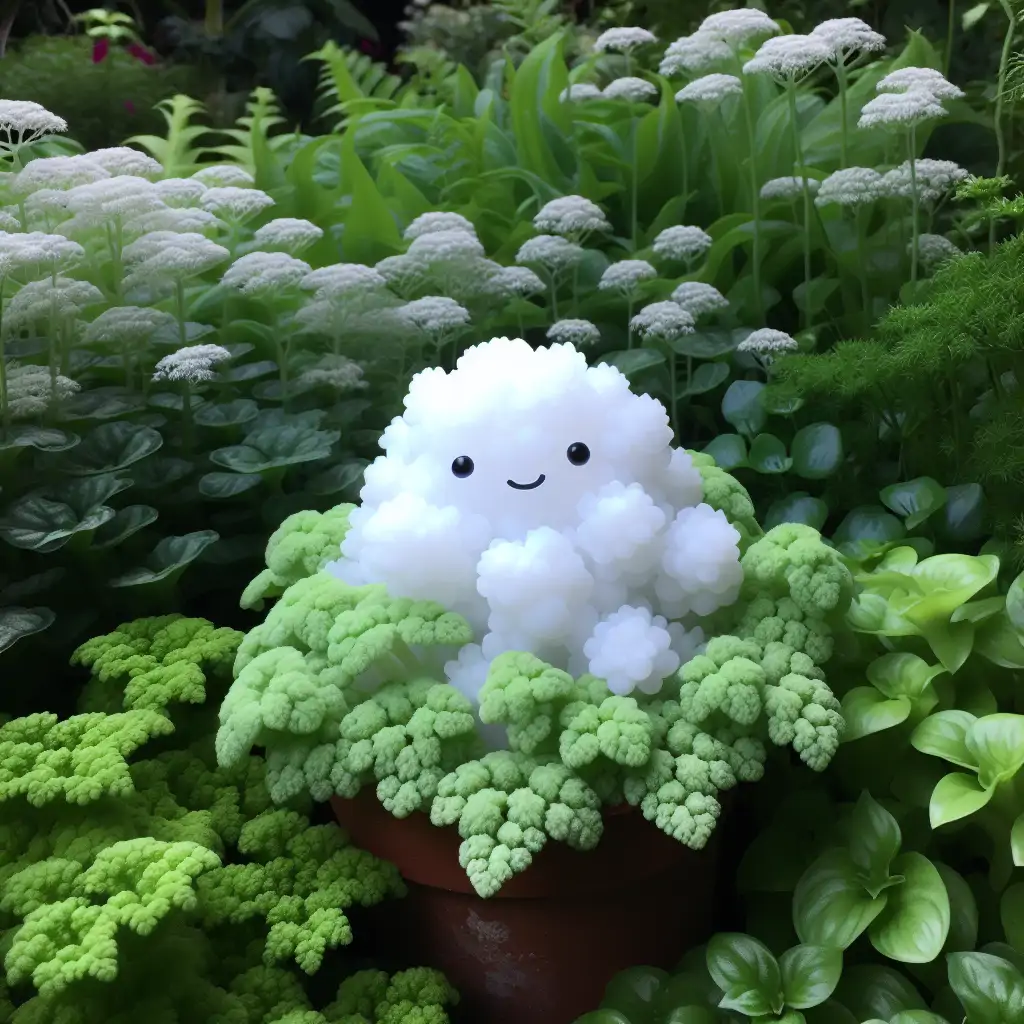
In the enchanting realm of gardening, where every shade of green vies for attention, albino plants emerge as ghostly wonders. Striking in their absence of chlorophyll, these plants don an ethereal white, capturing the imagination of gardeners and scientists alike. Have you ever wandered through a lush garden, only to stumble upon a spectral plant, as if pulled straight from the pages of a fairy tale? #GhostlyGardens explores this phenomenon, diving into the mystique of albino plants and why their ghostly presence continues to fascinate and baffle. Get ready to journey into a horticultural mystery, where pigments are eschewed in favor of the striking elegance of alabaster leaves.
The allure of these pallid marvels lies in their rarity and mystery. Albino plants, or 'achlorophyllous' as the scientists say, stand out not by their color, but by their lack of it. How do they grow, you ask, without the green pigment crucial for photosynthesis? It’s a horticultural puzzle wrapped in enigma! The absence of chlorophyll means these plants rely on alternative survival strategies, often forming symbiotic relationships with fungi to procure nutrients. Intriguing, right? Their survival dance is a testament to the adaptability and resilience of nature’s creations, captivating both botanists and curious gardeners seeking out the unusual.
This blog unearths the captivating stories of albino redwoods, renowned for their ghostly magnificence, and the spectral mystery of white hostas, a favorite among gardeners with an eye for the extraordinary. We’ll explore practical insights on how to incorporate these rare gems into your garden, the challenges posed by their delicate nature, and the profound joy of cultivating what might seem like botanical myths. So whether you’re an experienced soil aficionado or a plant curiosity seeker, this guide promises to shed light on the shadowy beauty of albino plants and their fascinating dance with survival.
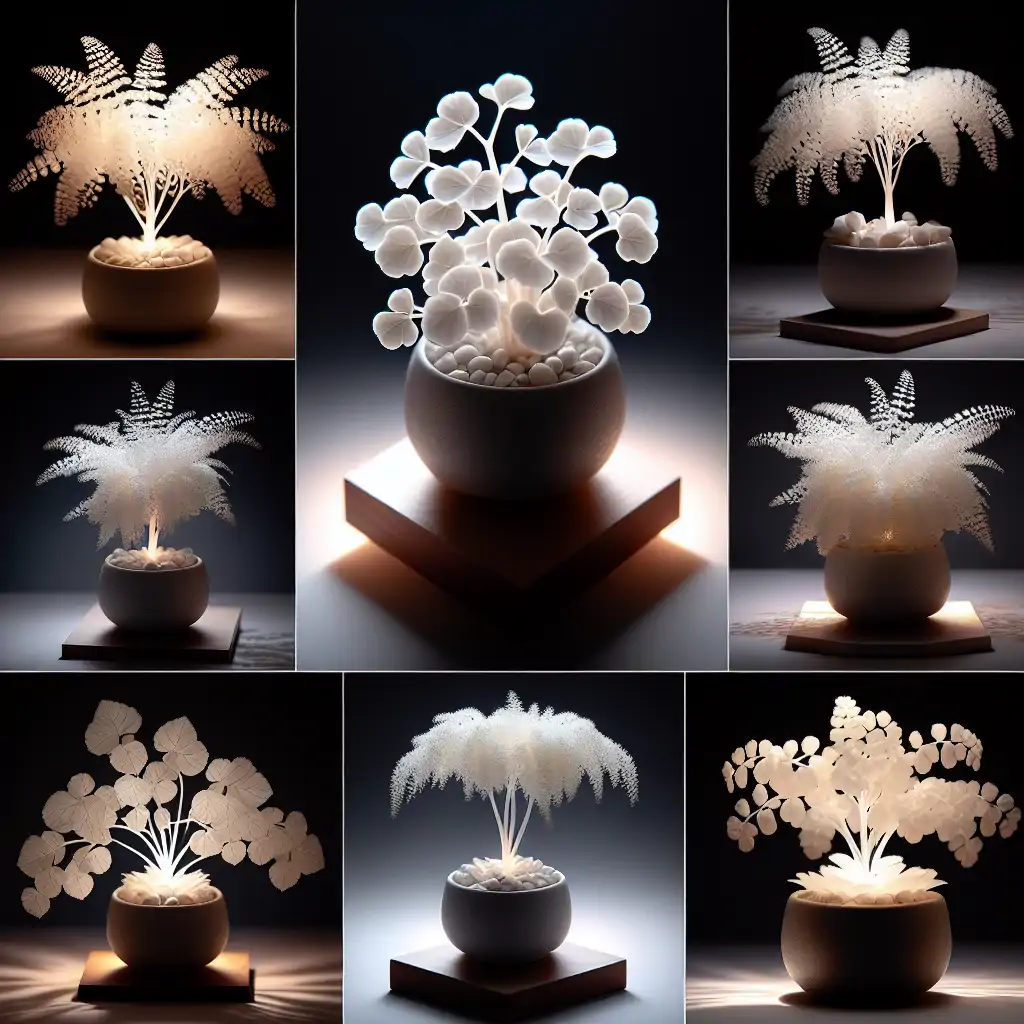
Albino plants, devoid of the green pigment chlorophyll, stun and baffle, standing as rare anomalies akin to nature’s own albino unicorns. Striking in their sheer whiteness, they compel us to ponder their existence. Without chlorophyll, these plants cannot photosynthesize like their green brethren. Instead, they navigate the natural world with unique adaptations. Many form symbiotic alliances with fungi, enabling them to absorb nutrients and thrive. This fascinating bond not only aids their survival but also highlights the wondrous intricacies of ecological relationships. Imagine ghostly hostas forming roots intertwined with fungal strands, each benefiting from the other’s presence—a botanical pas de deux.
Albino redwoods are among the most famous of these ghostly wonders, drawing enthusiasts from around the globe. Imagine walking through a lush forest only to encounter a tree that seems to glow in the dim undergrowth. These trees typically rely on normal redwoods nearby, taking nutrients via interconnected root systems—nature’s own networking strategy. This symbiotic arrangement piques the curiosity of scientists, gardeners, and casual hikers. How much do they depend on their neighbors? Why do these albino trees exist? Are they mere accidents or a strategic feature of biodiversity? The questions are as endless as the legends surround them.
For gardeners tempted to introduce albino plants into their personal green sanctuaries, the allure is strong but so, too, are the challenges. These botanical curiosities require meticulous attention, not merely for their aesthetic upkeep but also to ensure their survival amidst more robust, chlorophyll-rich plants. They demand well-shaded spots shielded from harsh sunlight, along with a nutrient-rich, moist soil that mimics their natural habitats. Incorporating albino plants is less about creating a striking visual contrast and more about cultivating a rare piece of nature’s mysterious elegance, culminating in a garden that’s not just unique but compellingly enigmatic.
Let’s delve into some practical examples, starting with ghostly hostas. Known for their lush, leafy presence, hostas usually sport vibrant variegations. But albino hostas defy this, presenting a monochrome allure that commands a quiet elegance. Imagine walking through a garden where such otherworldly hostas evoke the serene beauty of a moonlit night. Propagating albino hostas may present challenges—specifically, their reliance on hypochlorophyll nutrition, often necessitating the cultivation of closely neighboring regular hostas or companion plants to create a sustainable environment. Their care becomes an art form, a delicate balance between botanical science and gardener intuition.
An albino hosta garden offers the themed fascination of a 'moon garden' designed for night-time allure. Inspired by the haunting beauty of lunar landscapes, such gardens replace traditional colors with varieties that glow pallid white, reflecting moonlight to create an ethereal spectacle that defies the conventional vibrant daytime garden. The ghostly glow of white foliage under the night sky enchants with its subtlety, highlighting the plant’s poetic, mysterious nature. You’ll find yourself walking amidst these pale wonders, feeling as though part of a different world, where the usual quirks of color are put aside in favor of serene, ghostly beauty.
Although albino redwoods might be hard to accommodate in a home garden due to their size and complex ecosystem needs, understanding their survival story can inspire us to create micro-habitats that embrace diversity. Elevating the small yet significant beauty of white leaves or flowers in parts of your garden can evoke the sophistication and elegance of albino aesthetics. Consider integrating albino ferns and flowers in curated sections, accenting pathways or borders to capture attention and pique curiosity. These ghostly beauties, while gentle and understated, create areas that become conversational highlights, intriguing guests and sparking joy with their unique visual commentary on life and survival.
Navigating the practical challenges of caring for albino plants involves understanding their lack of self-sufficiency, devising alternatives to photosynthesis in garden management. Providing shade to mitigate harsh sunlight exposure becomes essential, as do scheduled mulching and fertilization routines to ensure soil quality and moisture retention. It’s vital to mimic their natural environment, replicating conditions which foster their ghostly elegance. Sunlight, water, and nutrients need to be carefully orchestrated to maintain health and support the growth cycle. This complexity may initially seem daunting, but for gardening enthusiasts attuned to nature’s nuances, it’s an endeavor bursting with rewards.
The allure of albino plants extends beyond their spectral beauty into realms scientific. Scientists study albino plants to delve into genetic mutations, seeking to unravel the mysteries of pigmentation and photosynthesis. Understanding how these plants thrive ignites curiosity about resilience and adaptability in the natural world. Albino plants, therefore, hold significance as biological anomalies and invaluable research subjects. Gardens featuring these rare plants inadvertently become living laboratories, showcasing evolutionary curiosities while opening new discussions on biodiversity and adaptation. Your garden, hosting these enigmatic beauties, becomes more than a tranquil retreat; it becomes a beacon for biological exploration and discovery.
While integrating albino plants opens doors to botanical creativity and ecological intrigue, it also compels a broader reflection on the fragility and resilience of life. Supporting their cultivation means honoring subtle themes of cooperation found in the plant kingdom, symbiosis underlining survival. Such reflections transcend gardening, offering wisdom applicable in wider environmental discussions. Exploring the hidden allure of albino plants reshapes our understanding, affirming gardens are as much about human cultivation as they are nature’s teachings. These unique plants invite us to consider the resilient dance of life itself, reminding us of the intricacies and balances in the ecosystems surrounding us.
In positioning ghostly gardens within the realms of unusual gardening, we embrace concealed secrets and heightened attention. Each albino plant tells a story of survival, where nature has crafted an extraordinary narrative despite challenges. They serve as reminders of life’s inherent diversity and adaptability amidst seemingly insurmountable odds. Growing such plants invites you into a contemplative space where mono-hued wonders mirror essential ecological truths. The garden, then, becomes a sanctified arena for discovery, passion, knowledge, and the delightful quirkiness of nature. Creating and maintaining ghostly gardens may require effort, but the reward—a dance with nature’s myths incarnate—is deliciously fulfilling.
In our ever-changing world, albino plants bring nuance and complexity to the art of gardening. By embracing these rare beauties, we cultivate a broader appreciation for the resilience of nature’s wonders. Their spectral glow isn’t merely a reflection of an absence but a profound presence that artfully comments on survival and adaptation. Each leaf encapsulates a story—the cunning strategies to thrive without green, and the grace with which they navigate their unique existence. Gardens infused with these ghostly elements challenge conventions, inviting observers to step into an enigmatic experience, where the delicate balance of life, tinted with whispers of ghostly beauty, reigns.
Gardeners drawn to the peculiar treasures of albino plants embark on a nurturing journey fraught with challenges but resplendent with rewards that extend beyond aesthetic appeal. Their spectral form speaks to those willing to dance with nature's enigmas, offering hands-on opportunities to discover profound truths about growth, adaptability, and symbiosis. These spectral wonders remind us that the most beautiful expressions of life often lie in diversity and unorthodox creativity. Whether cultivating albino redwoods or nurturing the ethereal elegance of ghostly hostas, the pursuit of these white wonders adds a captivating chapter to the gardener's tale, reflective of nature's quiet yet resilient chorus.

The journey through ghostly gardens unveils the enchanting allure of albino plants, these spectral marvels captivating with their uncanny beauty and unique survival tactics. In a realm where green dominates, these white wonders remind us there’s more to nature’s palette than meets the eye. They challenge our perceptions, encouraging us to delve deeper into ecological adaptability and the resilience of life. Embarking on this horticultural adventure offers gardeners a unique experience, blending scientific inquiry with creative exploration. The commitment to cultivating albino plants becomes a tribute to nature’s capacity for intrigue and adaptability.
Incorporating albino plants into your garden is more than just an aesthetic decision; it's an embrace of nature's mysteries, an exploration of life's varied expressions. They remind us of the symbiotic relationships that sustain life, the nuanced interplay between organisms, and the hidden beauty within diversity. As botanical curiosities, they bring home a deeper understanding of the complexities of our natural world. Ghostly gardens serve as living canvases, transforming traditional gardening into an act of curiosity and discovery. Challenge yourself to take that step into the whimsical world of albino plants; it might just lead to revelations in your gardening practice.
Let ghostly gardens inspire your next gardening endeavor, evoking an appreciation for the unexpected elegance and mystery that nature has to offer. Whether you're a seasoned gardener or just getting started, these unique contributions to your landscape will not only enhance your garden’s visual appeal but also transform it into a space of learning and discovery. Celebrate the hauntingly beautiful, the rare, and the ghostly—bringing them into your garden isn’t just cultivating plants; it’s cultivating wonder and respect for the elusive accords of the natural world.
Thanks for taking the time to read my article! You may also find this one interesting.
Mystical Mosses: Unveiling the Velvet Verdancy of Rare BryophytesTil next time! Prijanka

Prijanka
Prijanka is a wellness coach and inspired blog writer. Drawing from her expertise in holistic health and her talent for motivating others, she writes insightful articles that empower readers to live healthier, more balanced lives, blending practical advice with a genuine passion for well-being.
A proud member of the B-Team
If you're curious to dive deeper into related topics, then you may find these external links useful.
1. Albino Redwoods Insight
An article exploring the unique symbiosis and ecological role of albino redwoods in forests, shedding light on their extraordinary survival strategies.
https://www.savetheredwoods.org/blog/pondering-the-existence-of-the-mysterious-albino-redwoods/2. Symbiotic Relationships in Plants
A comprehensive study on how plants without chlorophyll, such as albino plants, form symbiotic relationships with fungi to absorb nutrients.
https://link.springer.com/chapter/10.1007/978-3-031-28307-9_153. Hostas in Home Gardening
A guide for gardeners interested in growing hostas, including albino varieties, and tips on creating optimal growing conditions.
https://www.gardenersworld.com/how-to/grow-plants/how-to-grow-hostas/4. The Science of Plant Pigmentation
An in-depth look at the genetic and biological processes behind plant pigmentation and the phenomenon of albino plants.
https://bmcplantbiol.biomedcentral.com/articles/10.1186/s12870-024-05316-w5. Creating Moon Gardens
A practical guide on designing a moon garden, focusing on plants that display white foliage, including albino varieties, for nighttime allure.
https://www.homesandgardens.com/gardens/how-to-create-a-moon-garden©2023 - 2026 SP Software Solutions Ltd. All rights reserved.