Fungi Fun: Mushrooming Your Garden with Whimsy and Wonder
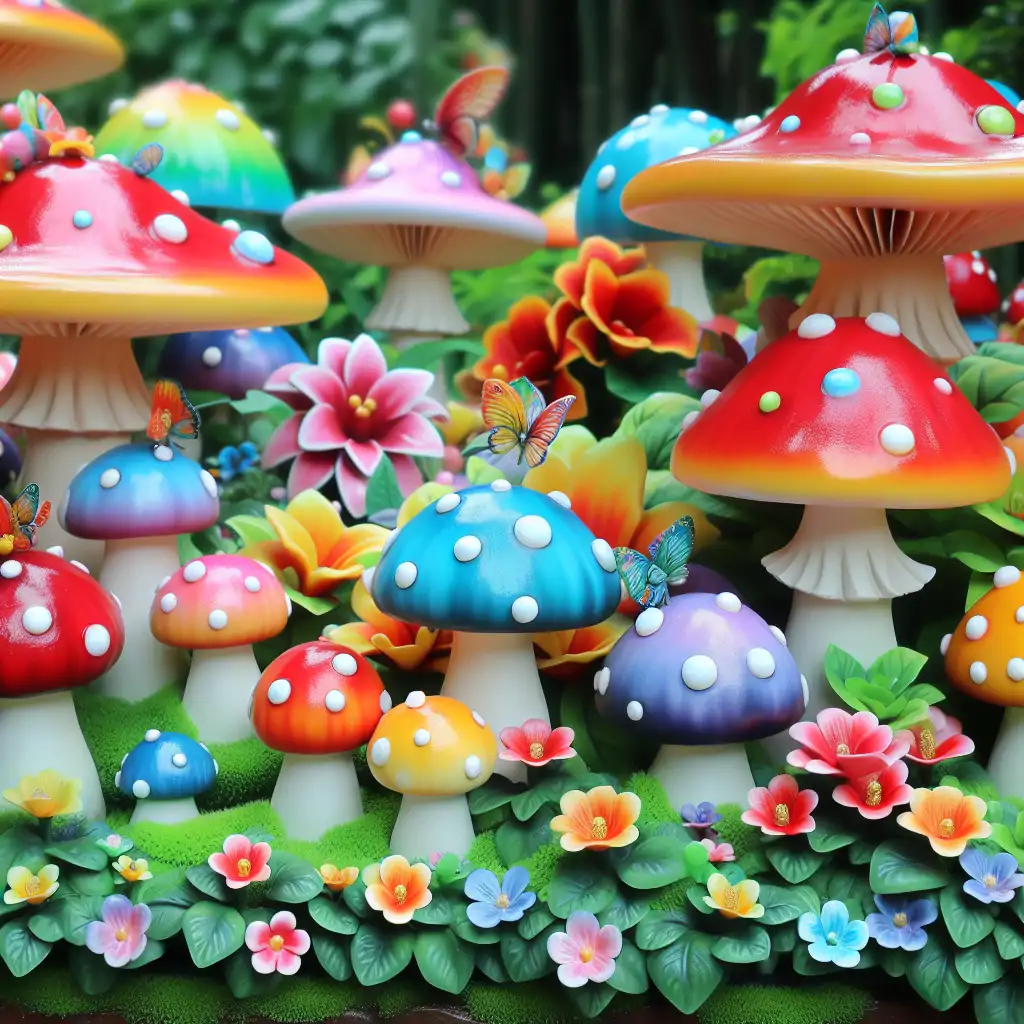
Welcome to the enchanting universe of ornamental fungi, where mushrooms take center stage in transforming your garden into a whimsical wonderland. Long since underestimated, these charismatic growths bring a delightful blend of beauty, mystery, and quirkiness to your outdoor space. From the vibrant spectacle of the rainbow-hued turkey tails to the enigmatic glow of bioluminescent mushrooms, fungi offer a creative playground for gardeners eager to venture beyond the conventional. This blog is your gateway to understanding the fascinating world of mushroom gardening, unraveling their surprising benefits and capabilities, while demystifying some common myths that hover like fog over this captivating hobby.
In this guide, we'll explore how to incorporate these peculiar yet endearing organisms into your garden design, adding layers of intrigue and splendor that thrive alongside more traditional plantings. You'll find that growing fungi is not only an easy and rewarding venture but also a journey filled with wonder and excitement. Additionally, we'll share some laughs along the way, because what's gardening if not a chance to enjoy and indulge in a little quirkiness? So put on your spore-loving gloves, grab your favorite sunhat, and let's dive into this fungi-filled escapade that promises to bring delight and diversity to your garden space.
So why consider fungi as part of your gardening adventure? Beyond their unexpected visual appeal, mushrooms play crucial roles in ecosystems by decomposing organic material, enhancing soil fertility, and supporting other plant species. Their presence can foster a healthier garden environment, laden with improved biodiversity. Follow along as we debunk common myths, share tips on cultivating these fascinating organisms, and, most importantly, inspire you to embrace the unconventional in creating a garden that’s both enchanting and ecologically balanced. Prepare to embark on a mycological journey like no other, one where you're encouraged to step out of the ordinary and into the extraordinary realm of ornamental fungi.
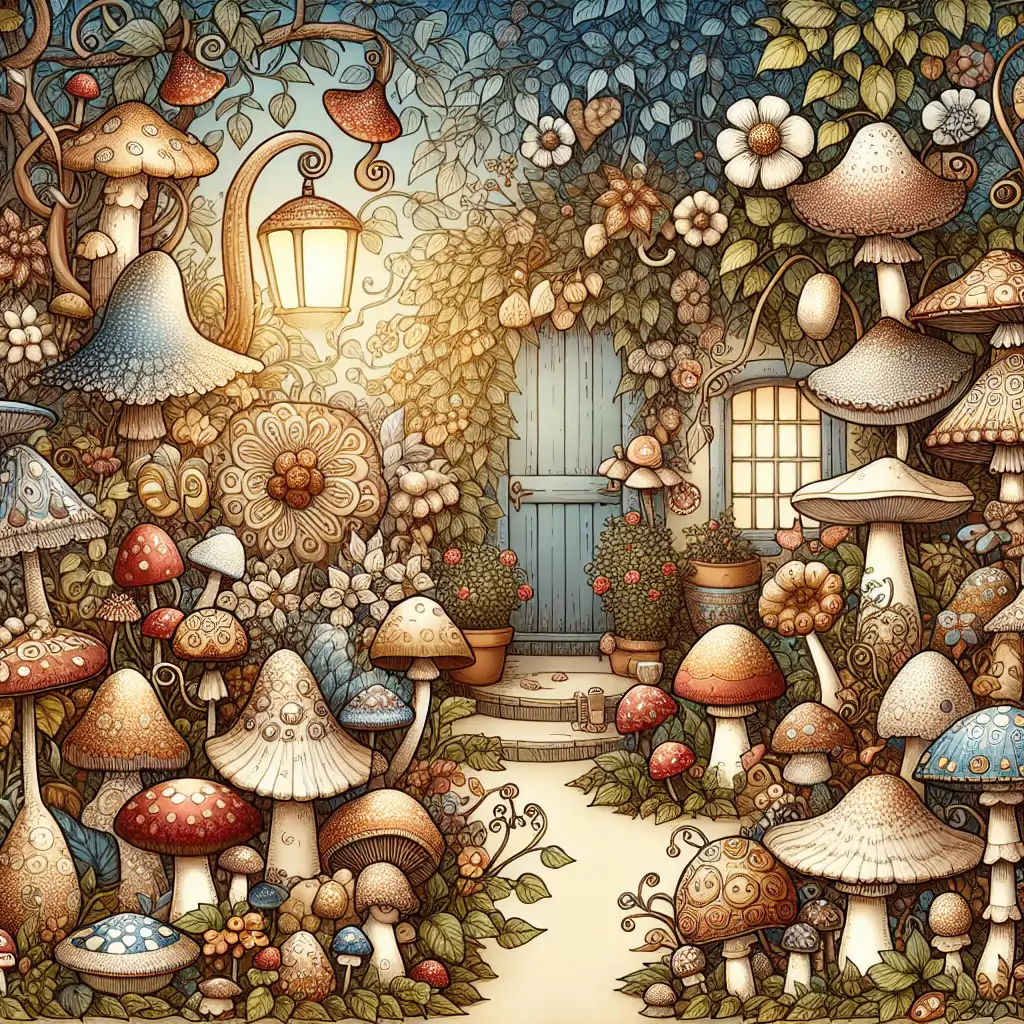
Ornamental fungi might not be the first thing that comes to mind when planning a garden space, yet their presence can elevate an outdoor area into a fantastical realm. These unique organisms vary greatly in size, color, and form, offering an endless array of design possibilities. From tiny button mushrooms to sprawling shelf fungi, each species brings something special to the table. One popular variety is the turkey tail, known for its vibrant bands of color and layered, fan-like appearance. Its striking aesthetic makes it a favorite among gardeners aiming for a bold statement.
Turkey tails, or Trametes versicolor, aren't just visually appealing; they are also functional within the garden ecosystem. As decomposers, they play an essential role in breaking down dead organic matter, thus recycling nutrients back into the soil. This process enhances the soil's structure and fertility, creating an optimal growing environment for other plants. Moreover, turkey tails are known for their potential health benefits, traditionally used in various cultures for their purported medicinal properties. Their presence in the garden therefore not only boosts visual appeal but also contributes to a healthier landscape.
Another captivating variety is the bioluminescent mushroom, a mysterious fungi that emits a ghostly glow when the sun goes down. The magic of a glowing mushroom garden captivates the imagination and can turn your backyard into a nighttime fairyland. The glow derives from a chemical reaction within the mushroom, and while not all mushrooms possess this trait, those that do, such as the ghost mushroom (Omphalotus nidiformis), definitely steal the spotlight at dusk. Strategically planted, these luminous fungi can guide guests along garden paths or highlight special features with their soft, ethereal light.
If you're looking for quirky charm, the shaggy ink cap could be your fungi of choice. This distinctive mushroom features a tall, white cap that eventually melts into a black, inky liquid, a characteristic trait that lends it both its name and an aspect of garden drama. Though they require specific growing conditions and have a relatively short lifespan, shaggy ink caps can add an element of surprise and delight to your garden, appearing almost overnight and transforming as quickly as they arrive. Their ephemeral nature encourages gardeners to appreciate transient beauty and the dynamic, ever-changing character of nature.
Introducing fungi into your garden isn’t just about aesthetics; it’s about cultivating a space that's as ecologically robust as it is beautiful. Mushrooms offer a habitat for various insects, and their spores serve as food sources for certain wildlife. By incorporating fungi, you foster a mini-ecosystem that can support a range of creatures, adding to the garden's biodiversity. This balance creates a healthier environment, which in turn can lead to more vigorous plant growth and a reduction in pest populations, achieving a naturally sustainable garden without resorting to chemicals.
Beyond their ecological benefits, mushrooms can also be an engaging project for children and adults alike. The whimsical shapes and colors invite curiosity, prompting discussions about biology, ecology, and the intricate web of life. Whether you start with a kit or delve into spore propagation, mushroom gardening offers hands-on learning experiences. Watching them sprout and transform gives gardeners a unique insight into the cycle of life, growth, and decay. These lessons are especially rewarding for young gardeners, creating memorable, educational experiences in your own backyard.
Debunking myths around mushrooms is another step towards embracing these fascinating organisms. One common misconception is that all wild mushrooms are poisonous and should be avoided at all costs. While caution is necessary—since some species are toxic—not all mushrooms are harmful. Many are benign, and some are even beneficial and edible under controlled conditions. It's crucial to educate oneself and possibly involve an expert when dealing with wild varieties, but with the right knowledge, mushrooms can safely enrich your garden aesthetic.
Another myth revolves around the idea that mushrooms are only for damp, dark locations. While it's true many fungi thrive in moist environments, there are varieties suited to a range of conditions, including shaded garden corners and even sunny spots. By researching and selecting the right species, you can introduce mushrooms into various sections of your garden. This versatility makes them adaptable to different landscapes and climates, offering opportunities for nearly every gardener to indulge in a bit of fungal fun.
The whimsical world of fungi also extends into the realm of the absurd, where mushroom-shaped garden ornaments take inspiration from these natural wonders. From brightly painted ceramic fungi to intricately carved wooden sculptures, these playful decorations offer a different way to include mushrooms in your garden design without actual cultivation. They can serve as focal points in flower beds, playful accents in a veggie patch, or as fairy-tale markers along a garden path. This approach offers a fungal experience minus the spores and can add an imaginative layer to your garden aesthetic.
For those interested in more interactive elements, why not craft your own mushroom abodes for garden gnomes or fairy figurines? Utilizing ceramics, woodworking, or other crafts to create these dwellings offers a creative outlet and results in a personalized touch that enhances the whimsical atmosphere. Nestled among real or ornamental fungi, these homes for imaginary creatures invite stories and play, enchanting both children and adults with the make-believe that whispers through the leaves.
Designing with mushrooms in mind can inspire unique garden layouts and themes. One approach is to theme sections of your garden around different fungi habitats. For instance, a forest floor setting might showcase clusters of earthy, brown-toned mushrooms surrounded by ferns and mosses, while a fanciful, fairy-themed garden could spotlight colorful, vivid varieties like fly agarics, interspersed with delicate flowers. Plays on height and perspective also come into play, as mushrooms can offer vertical interest and contrast in scale next to surrounding plants.
Additionally, creating a mushroom trail could guide guests through different sections of the garden, with fungi as markers highlighting significant areas or points of interest. This approach not only provides structure but also adds to the sense of exploration and discovery, especially in larger gardens. Visitors follow the path of mushrooms, encountering surprises along the way, resulting in an enchanting stroll that lingers in memory long after they leave. Combine this with the interplay of shadow and light, especially with bioluminescent varieties, for an awestriking twilight experience.
Aside from ornaments and dramatic layouts, another fun (and functional) way to integrate mushrooms into your garden is through mushroom logs or wooden planters. By inoculating wooden logs or planters with mushroom spores, you can cultivate edible varieties like shiitake or oyster mushrooms. Not only does this method support sustainable food practices, but freshly grown mushrooms also offer a delicious culinary adventure right from your garden. Watching these functional fungi develop and produce food encourages a deeper connection with the space, merging leisurely gardening with productive harvest.
Innovative landscapes that involve mushrooms may also include garden furniture or installations that draw inspiration from fungi. Consider seating areas shaped like toadstools or outdoor tables styled to resemble a fairy ring of mushrooms. These elements integrate seamlessly into the garden's character, inviting relaxation and a touch of storybook charm. Crafted from sustainable or recycled materials, these inspirations reflect the ecological ethos often tied to gardening, where beauty, functionality, and environmental considerations coalesce.
Mushroom cultivation need not be confined to traditional garden settings. Vertical gardens, wall-mounted installations, and indoor mushroom gardens present interesting possibilities, especially in smaller spaces like urban balconies or apartments. These setups enable you to enjoy the benefits of mushrooms without requiring expansive plots. Wall-mounted mushroom gardens can be particularly attractive in indoor environments, where moisture and temperature can be carefully controlled, allowing for an array of species to thrive just beyond your living room.
For the adventurous gardener aiming to integrate mushrooms in novel ways, not to forget the potential of spore graffiti, which involves creating ephemeral art using mushroom spores in patterns and designs on different surfaces. This temporary yet beautiful art form appreciates the inherent transience of mushroom cultivation, connecting art with nature in unexpected, delightful ways. While not long-lasting, these pieces encourage an examination of beauty's fleeting nature and invite appreciation of the art processes themselves.
Understanding and cultivating fungi also involves recognizing their alliances with other plants. Mycorrhizal relationships see fungi collaborating with plant roots, enhancing nutrient uptake and offering protection against pathogens. By introducing fungi into your garden, you may support your other plants' growth—an organic ally in pursuit of greater garden health without synthetic fertilizers. Establishing these symbiotic relationships can lead to more verdant growth, with plants and fungi co-operating in a lush duet.
Integrating fungi into urban settings has additional environmental benefits. Mushrooms can contribute to reducing pollution levels and improving air quality by capturing pollutants and breaking them down into less harmful components. By strategically placing fungi in your urban garden or green space, you can support cleaner air while fostering biodiversity and enriching the urban ecosystem. Such efforts align with growing trends towards sustainable living solutions in city environments, where every green initiative counts in addressing modern ecological challenges.
Maintaining fungi in your garden, like any organism, involves understanding their requirements and acknowledging the importance of balance. Regularly checking that soil conditions, humidity levels, and exposure are suitable for specific varieties is essential for healthy growth. However, remember that mushrooms thrive in diverse environments, so introducing varied species can help adapt your garden to changing conditions and create a dynamic, interest-filled space. This adaptability makes fungi excellent candidates for experimental gardens where attributes like resilience or adaptability are showcased.
As you venture deeper into the world of fungi, community sharing and engagement can enhance your experience. Connecting with local or online mushroom enthusiasts provides opportunities to exchange tips, experiences, and even spores or mushroom growing kits. Engaging with broader networks enriches your gardening practices and opens you to new varieties and ideas you might not have discovered independently. Joining gardening communities dedicated to mushroom cultivation also celebrates the diversity of human culture—where every shared journey contributes to a more holistic appreciation of our interactions with nature.
Art and literature often evoke mushrooms due to their mystical, unpredictable nature, tapping into folklore, fairy tales, and poetic imagery. Delving into these stories can enrich your gardening experience, guiding design ideas or thematic elements. From the fairy rings of childhood stories to modern interpretations in fantasy fiction, these cultural references provide a wellspring of inspiration, reminding us that mushrooms hold an enduring place in creativity and imagination. Seek out tales involving fungi, and perhaps let these narratives inform and uplift your garden's aura.
Bringing fungi into your garden is not without its quirky challenges, often resulting in amusing experiences and stories worth sharing at garden gatherings. Remaining open to these unforeseen moments of surprise and joy transforms gardening from a task to an adventure. Perhaps mushrooms pop up in unexpected locations, or their unusual shapes become neighborhood topics of conversation. These light-hearted mishaps add color and charm to your gardening narrative, nurturing a community of shared memories and laughter.
Gardening with fungi needn’t be a solo pursuit. Involve family or friends in the exploration of these curious organisms, making it an opportunity to bond over gardening's delightful unpredictability. From childhood enthusiasm over glowing mushrooms to adult curiosities about unusual varieties, collective experiences foster lasting memories and inspire continued interaction with the natural world. This shared gardening effort builds community and enriches connections—strengthening bonds with both garden and gardeners alike, turning fungi cultivation into a celebratory and communal event.
When planting mushrooms, consider the culinary bonds you forge with them. Incorporating homegrown edible mushrooms into meals connects garden to table in a direct, satisfying way. Beyond biological interactions, fungi thus contribute to cultural and gastronomic narratives in your life, enriching dining experiences with ingredients freshly harvested. This cyclical relationship extends the sensory journey from garden fragrances to culinary aromas and from nurturing plants to nurturing people—a holistic, integrated celebration of nature's bounty.
Our fungi guide wouldn't be complete without addressing the importance of patience and observation in mushroom gardening. Like many aspects of nature, mushrooms demand time to fully reveal their charms. Monitoring their progress, environmental changes, and growth patterns imparts valuable lessons in diligence and perseverance—a mindful practice that complements the busyness of life beyond the garden gates. This thoughtful engagement with your garden offers ample rewards in richness, diversity, and the undeniable feel-good moments of gardening success.
Considering mushrooms as part of garden therapy, their cyclical growing habits lend themselves to meditative practices. The act of tending to fungi, with its gentle pace and immersive engagement, promotes relaxation, focus, and peace of mind. Mushrooms remind us that life is balanced in cycles of growth and dormancy, flourishing and decay. In embracing this rhythm, gardeners reframe their perspectives, appreciating patience, continuity, and interconnectedness—a philosophy that transcends gardening.
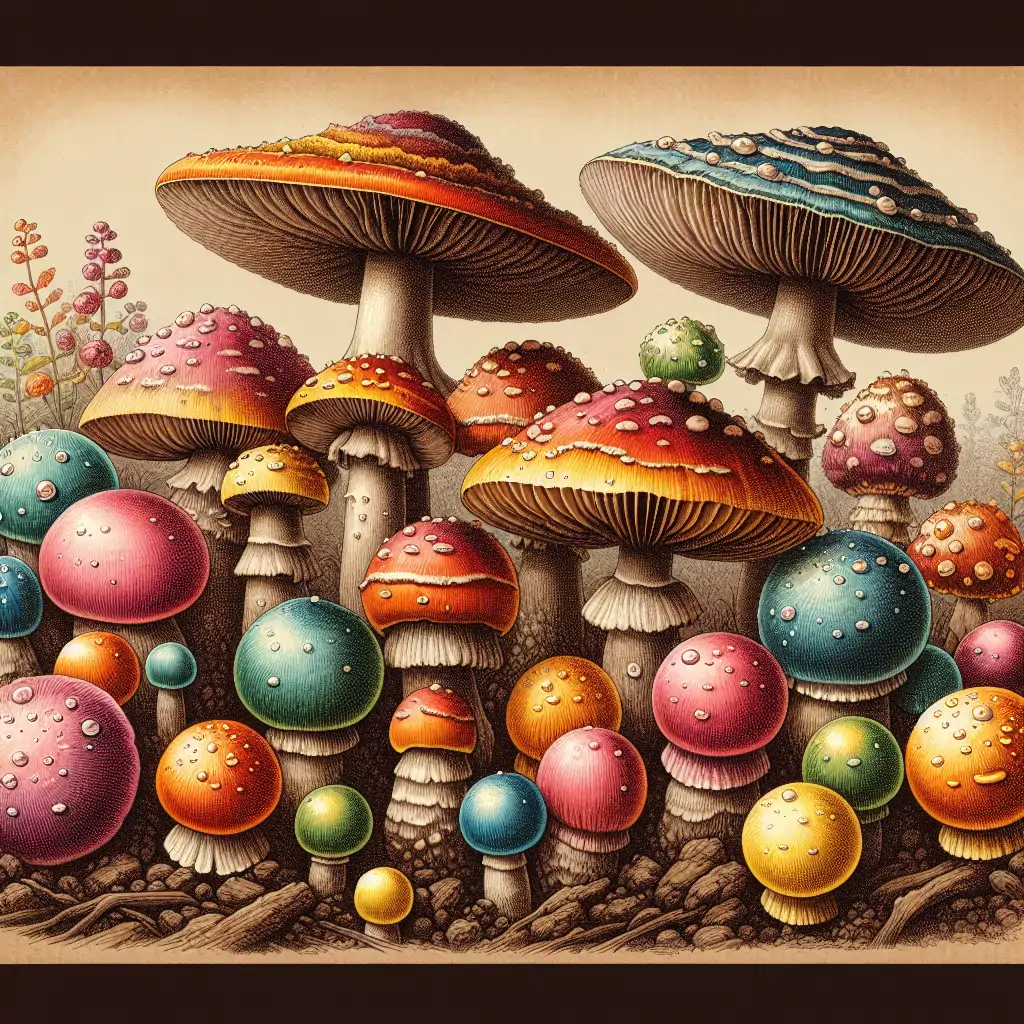
Embarking on a whimsical journey into mushroom gardening reveals the intricate beauty and marvel of fungi. These fascinating organisms offer more than just aesthetic diversity; they provide ecological benefits, educational engagements, and cultural stories that enhance your garden's appeal. Whether it's the glow of bioluminescent fungi or the functional charm of edible mushroom logs, each adds its unique flavor to your gardening adventure, blending practicality with imagination.
Beyond being mere garden elements, mushrooms act as bridges to larger ecological and cultural narratives, inviting us to appreciate life's complexity within even small plots of land. By integrating fungi, gardeners gain insights into the natural world and participate in a sustainable, interconnected ecosystem. This practice not only revitalizes our living spaces but also revitalizes our minds, leading us towards greener, more thoughtful ways of inhabiting the Earth.
So don your spore-loving gloves and step into this quirky garden quest that promises delight and discovery. Let mushrooms inspire you to cultivate a rich, imaginative garden, filled with whimsy, wonder, and ecological harmony. Together, let's grow a celebration of the extraordinary, a garden where fungi flourish and joy abounds.
Thanks for taking the time to read my article! You may also find this one interesting.
Delightfully Weird: The Enchanting World of Corpse FlowersTil next time! Prijanka

Prijanka
Prijanka is a wellness coach and inspired blog writer. Drawing from her expertise in holistic health and her talent for motivating others, she writes insightful articles that empower readers to live healthier, more balanced lives, blending practical advice with a genuine passion for well-being.
A proud member of the B-Team
If you're curious to dive deeper into related topics, then you may find these external links useful.
1. Fungi Perfecti
A site dedicated to mushroom cultivation, offering products and resources for both beginner and experienced mushroom gardeners.
https://fungi.com/2. Mushroom Appreciation
A website providing detailed guides and articles on growing various types of ornamental and edible mushrooms.
https://www.mushroom-appreciation.com/types_of_mushrooms.html3. North American Mycological Association
An organization that offers resources and educational materials on the cultural and ecological importance of mushrooms.
https://namyco.org/4. Royal Botanic Gardens, Kew: Fungi
Fascinating insights, research articles, and information about the role and diversity of fungi in ecosystems.
https://www.kew.org/science/collections-and-resources/data-and-digital/fungi5. The Mushroom Huntress
A blog that combines storytelling with practical tips on identifying and growing mushrooms, as well as debunking common myths.
https://www.mushroomhuntress.com/common-yard-mushrooms-how-to-identify-and-what-to-do-with-them/©2023 - 2026 SP Software Solutions Ltd. All rights reserved.