Aquatic Oddballs: Making Waves with Carnivorous Water Plants
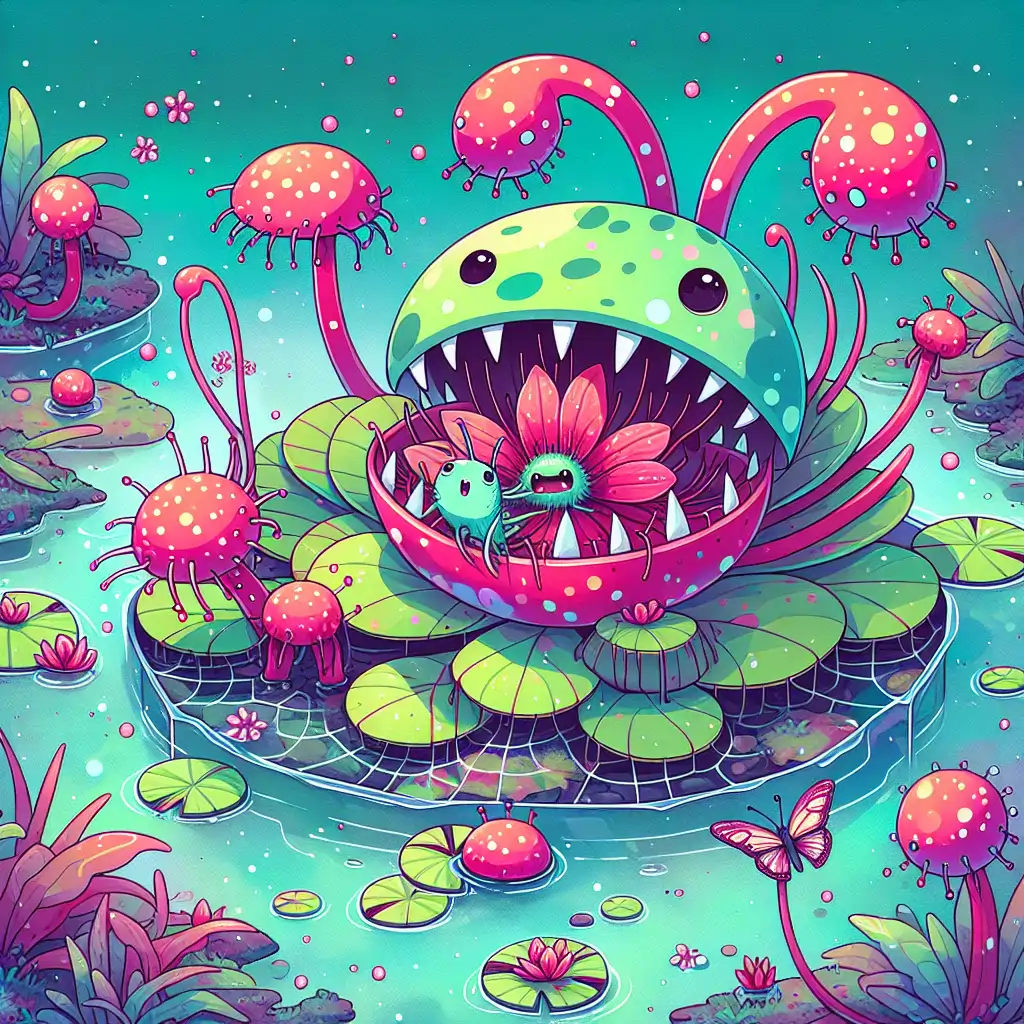
Welcome to a world where plants turn the tables on unsuspecting creatures and embrace the role of predator in the aquatic arena. Fascinated by this topsy-turvy realm? You're not alone! Aquatic carnivorous plants have captivated gardeners and nature enthusiasts alike, offering a unique blend of beauty and functionality. From their ability to trap tiny prey in watery domains to their allure as an unusual pond addition, these plants redefine what it means to garden with a splash of the unexpected.
Imagine if your garden pond could tell tales of suspense and intrigue, of plant-based predation that would make even the most seasoned gardener do a double-take. With these botanical oddballs, your garden can become a stage for nature's drama, starring species like Bladderworts and Aldrovanda. Whether you're a curious newcomer eager to dip your toes into the world of distinctive flora, or a seasoned green thumb seeking a new challenge, these aquatic carnivores promise an irresistible plunge into the peculiar.
Delve with us into this extraordinary ecosystem as we explore how these waterborne wonders capture their prey, and learn the secrets to cultivating them in your own home garden. From the mechanics of their traps to the subtle art of their care, we'll guide you through every step of making these superbly strange plants a cherished part of your gardening narrative.
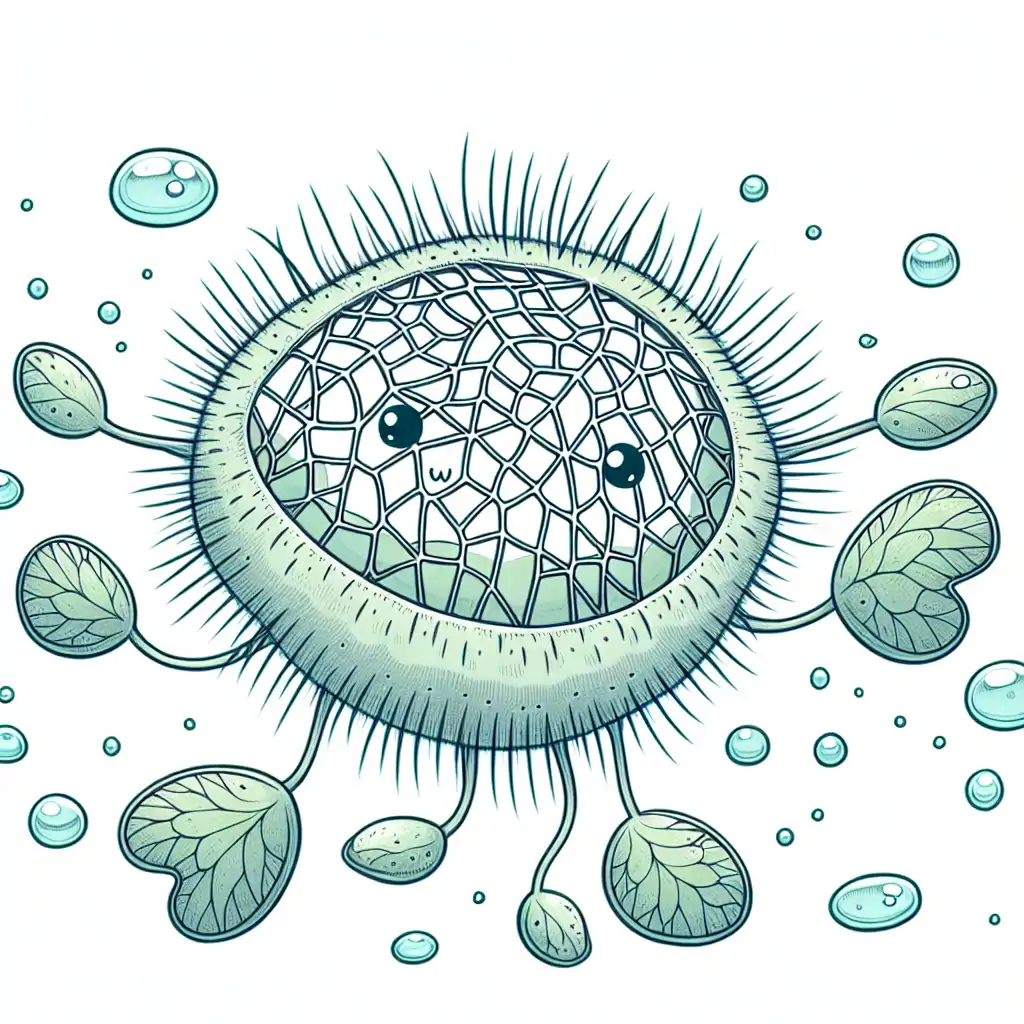
Let's start with the captivating Bladderworts. These are perhaps the most cunning of all aquatic carnivorous plants. With over 200 species worldwide, bladderworts are masters of stealth. Their tiny bladder-like traps suck in prey with amazing speed, faster than you can blink. Located underwater, these traps remain almost invisible until a hapless aquatic creature triggers them, leading to a swift and unceremonious end.
The trapping mechanism of bladderworts is likened to a natural vacuum. They possess a delicate balance, keeping their traps under negative pressure. When a prey item brushes against trigger hairs, the trapdoor swings open, and water, along with unsuspecting prey, is sucked inside. Within a mere millisecond, the door shuts, and digestion begins, marking a swift recap of the food chain.
Not to be outdone, the Aldrovanda, also known as the waterwheel plant, offers its own brand of intrigue. Named for its resemblance to a medieval waterwheel, this rootless plant floats freely in freshwater, relying on traps to acquire nutrients. The Aldrovanda's hunting prowess involves small, jaw-like mechanisms that snap shut on passing prey. Think of it as Venus flytrap's wetter cousin.
Setting up an aquatic carnivorous plant habitat can be as easy as it is exciting. With a little effort, your garden pond can become the perfect home for these curious wonders. First, it's crucial to choose the right setting, as these plants thrive in calm, nutrient-poor waters. Whether you have a small pond or plan to use a container garden, enabling the right environment is key.
When it comes to container setups, using distilled water or rainwater is best, as tap water can introduce unwelcome minerals. A mix of peat and sand can be used for potting, allowing the plants to root comfortably, even when submerged. Regular maintenance is necessary to keep algae levels low, ensuring your aquatic oddballs remain the focal point of their water world.
Speaking of maintenance, ensuring your aquatic carnivores get enough light is essential. These plants require full sunlight to thrive. If your pond or container sits in shade often, consider moving it or utilizing artificial lighting. Seasonal changes might demand that you adjust lighting conditions, helping these plants continue their symbiotic dance between chilling beauty and intricate hunger.
It's not all about care—part of the appeal lies in watching these plants interact with their environment. The drama of predation unfolds right before your eyes. Picture a mosquito larva skimming across the water, only to be swiftly swallowed by a bladderwort trap. With these plants, each day brings new scenes, offering a spectacle of life and death in miniature.
We can't talk about aquatic carnivores without discussing their ecological significance. While they provide a fascinating glimpse into adaptive evolution, they also help control mosquito populations naturally. This makes them a friendly and effective ally in maintaining balance within aquatic ecosystems. By introducing these plants to your garden, you're contributing to biodiversity in a beautifully beneficial way.
Digging deeper into the biology of these water lovers, we find innovations unique to carnivores. They've adapted to nutrient-sparse environments by evolving to consume insects and other prey. This nutrient acquisition method allows them to flourish where other plants might struggle. Their adaptation goes beyond mere survival, making them powerhouse players in their watery domains.
Cultivating bladderworts can begin with a manageable size bladderwort, perfect for experimenting in pots before spreading to larger spaces. They're also versatile across climates, meaning you can find species suited to your local temperature and seasonal fluctuations. Over time, observing their growth can be a rewarding foray into harnessing nature's wonders.
Aldrovanda, though less common, is equally delightful to cultivate. Often floating free, it does well in sunny, stagnant water with little competition. Pruning is essential to control unchecked growth, ensuring your water garden remains precisely that—a garden, rather than a jungle. Regular checks will also enhance your experience as you develop a nurturing rhythm suited to your individual plant's needs.
Encouraging native insects to your pond is another way to enrich the environment for your carnivorous plants. The key is balance: encourage enough insect life to satisfy your plants' dietary needs without overwhelming the ecosystem. Plants like sedges and rushes can coexist alongside carnivores, providing habitats for insects while maintaining aesthetic appeal.
Choosing between the various species of aquatic carnivores is part of the excitement. Some gardeners prefer hearty, fast-growing species for quick results, while others enjoy the complexity and patience required to rear elusive varieties. Consider your local climate, pond size, and personal preference when making selections, turning your garden into a uniquely tailored aquatic paradise.
Maintaining the health of aquatic carnivorous plants is a balance of art and science. They require periodic care to ensure their environment mimics their natural habitat as closely as possible. Changing the water regularly, monitoring pH levels, and removing dead plant matter are preventative steps that sustain their vivacious life cycle.
In hindsight, captivating carnivorous plants may seem like a gardening niche within a niche, but their widespread interest suggests otherwise. Their weirdness isn’t just compelling; it's a testament to the diverse tapestry of life's evolution. Whether your interest stems from their aesthetics, ecological benefits, or simply curiosity, these botanical wonders are sure to make waves.
Creating an environment tailored to such myth-like flora often reveals an unexpected journey filled with wonder and joy. Each turning leaf and unfolding trap brings delight, and there's no end to the stories these plants can tell. Imagine telling guests about plants that wage war against the very insects that often swarm and buzz around summertime picnics.
As we dive deeper, discover that the actual installation process is incredibly forgiving. Starting small with aquariums or mini-ponds in containers can help aspiring plant parents ease into the responsibilities without feeling overwhelmed. Each method offers a manageable way to observe these plants’ fascinating behavior up close.
The flexibility of these installations allows you to shift from experimental settings to bolder setups once you're more comfortable with their needs. This gradual approach is ideal for gardeners without extensive aquatic experience, making the learning curve less daunting and more enjoyable.
Within the realm of these plants lies the opportunity to link various computing aspects of the sensory garden experience. Connecting sight, touch, and even the sense of hearing when water is involved elevates the gardening experience to a sensorial delight, offering relaxing visual and auditory stimulants.
Aquatic carnivores also integrate seamlessly with broader water features, retaining their individuality while complementing the overall aesthetic. Pair them with fountains, waterfalls, or elaborate rock arrangements. Not only do they support a harmonious ecosystem, but they also transform these setups into something truly remarkable.
Providing a reliable light source will spotlight these incredible specimens as garden highlights. Deploy care in placement, ensuring that lights simulate a natural rhythm and do not disturb nocturnal habits. With seasonal variations, temporary fixes might be necessary to maintain environmental stability during dreary months.
The joy of communal gardening can further enrich the growing experience of aquatic carnivores. Engaging with fellow enthusiasts in discussions and swaps opens avenues to learn and acquire new species while sharing triumphs and challenges, becoming a part of an unlikely but supportive community.
Some practicalities exist when introducing these botanical hunters to public ponds or communal spaces. Incorporating signs or informative notes emphasizes their ecological contribution while educating others about these unusual and underappreciated players in our gardens.
From preschool classrooms to botanical exhibits, aquatic carnivorous plants never fail to intrigue. Their bizarre mechanisms and aesthetic qualities offer educational richness. Explaining how plants adapted to secure nutrients can challenge preconceived notions of flora’s role, reshaping how plants are perceived in learning environments.
By challenging norms, these aquatic oddities enchant and inspire professional and amateur horticulturists alike. Success lies in the gentle care and upkeep of these environments, turning simple garden areas into thought-provoking ecozones where nature meets artistry.
As for sustainability, by nurturing carnivorous plants, you’re forging a pathway to a greener method of gardening. Their introduction as natural pest controls aligns perfectly with eco-conscious endeavors, showcasing gardening's potential in driving environmental stewardship.
Step by step, you’ll witness how everyday interactions become occasions for introspection as these plants encourage reflection on survival's elegance. Nature's unique lens stretches our understanding beyond what’s seen at the surface, guided firmly by the pursuit to quench curiosity.
Crossing boundaries between practical and peculiar, these aquatic oddballs continue to reshape landscapes, transforming mundane water bodies into havens of discovery. Bound in botanical wonderment, garden ponds become living laboratories, where understanding deepens through shared experiences in cultivating the unusual.
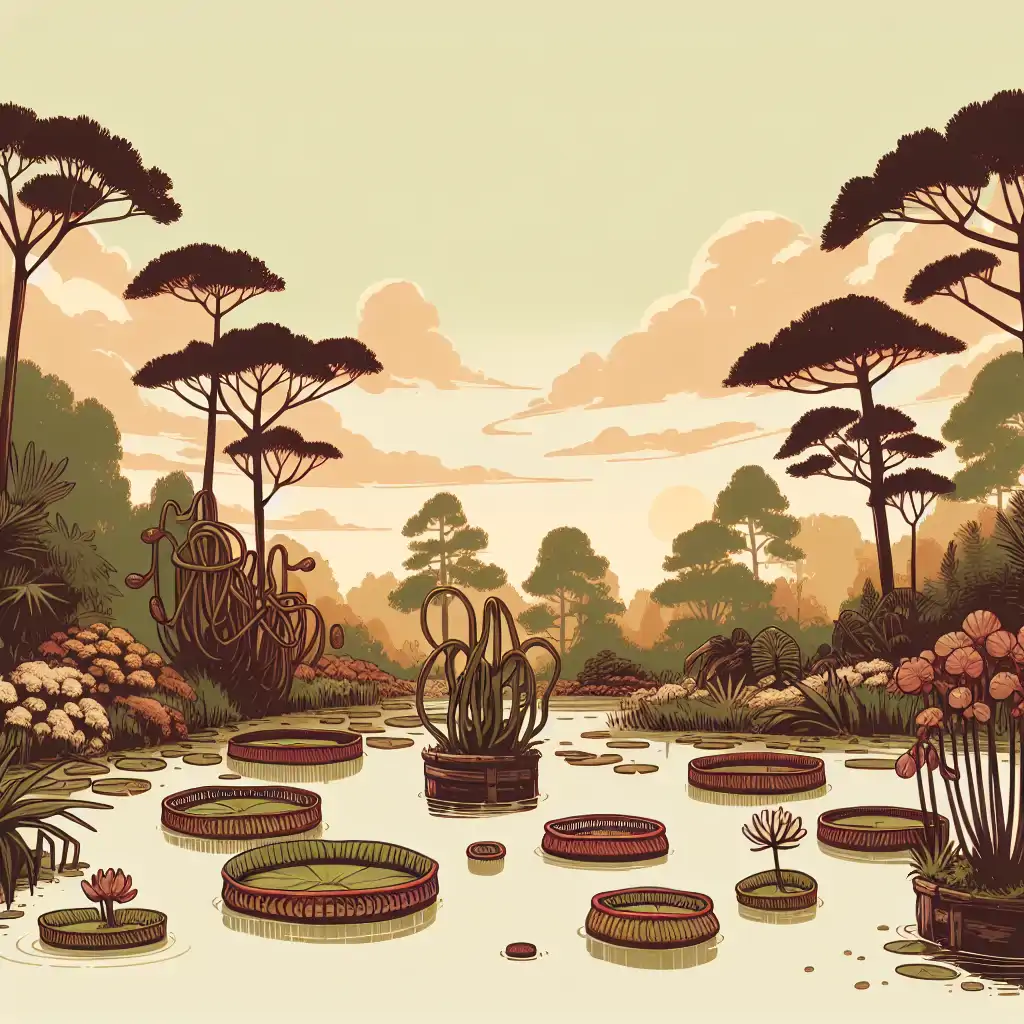
To those daring enough, the world of aquatic carnivorous plants is an odyssey of endless intrigue. Inviting these unusual wonders into your garden offers more than an aesthetic shift—it crafts an engaging space teeming with narrative and coloring every second with lively vigor. Here, predation becomes performance, as life unfolds within and beyond those captivating traps.
Whether you have a sprawling garden or a simple container pond, these botanical oddballs ensure that monotony is banished. Their combination of beauty, beguilement, and bio-diversity serves to invigorate spaces otherwise unnoticed. As these plants flourish, they offer lessons beyond conventions, encouraging us to embrace nature's peculiarities with open arms.
With every ripple and reflection, aquatic carnivores pledge an enlightening exploration into the heart of harmony between plant and pond. It’s time to turn gardening on its head, diving fearlessly into a unique underwater adventure where each wave brings wonderment, weaving stories only a garden thrumming with life could tell.
Thanks for taking the time to read my article! You may also find this one interesting.
Cactus Couture: Dressing Up Your Garden with Spiky StyleTil next time! Prijanka

Prijanka
Prijanka is a wellness coach and inspired blog writer. Drawing from her expertise in holistic health and her talent for motivating others, she writes insightful articles that empower readers to live healthier, more balanced lives, blending practical advice with a genuine passion for well-being.
A proud member of the B-Team
If you're curious to dive deeper into related topics, then you may find these external links useful.
1. Carnivorous Plant Society
Provides resources and information about various species of carnivorous plants, including aquatic varieties like bladderworts and Aldrovanda.
https://www.thecps.org.uk/2. International Carnivorous Plant Society
An organization dedicated to the cultivation and conservation of carnivorous plants, offering guides and articles on how to grow aquatic carnivores in home gardens.
https://www.carnivorousplants.org/3. Botanical Society of America: Carnivorous Plants
A detailed exploration of carnivorous plants' biology and ecology, including a focus on aquatic species and their unique adaptations.
https://botany.org/home/resources/carnivorous-plants-insectivorous-plants.html4. The Carnivorous Plant FAQ
A comprehensive FAQ covering the care and setup of aquatic carnivorous plant habitats, perfect for beginners.
https://carnivorous.co.uk/carnivorous-plant-faq5. Royal Botanic Gardens, Kew
Features research and information on the biodiversity and ecological importance of carnivorous plants, supporting enthusiasts in understanding their ecological roles.
https://www.kew.org/plants/cavendish-banana©2023 - 2026 SP Software Solutions Ltd. All rights reserved.